Episode III.08 - Introduction to the Roman Republic
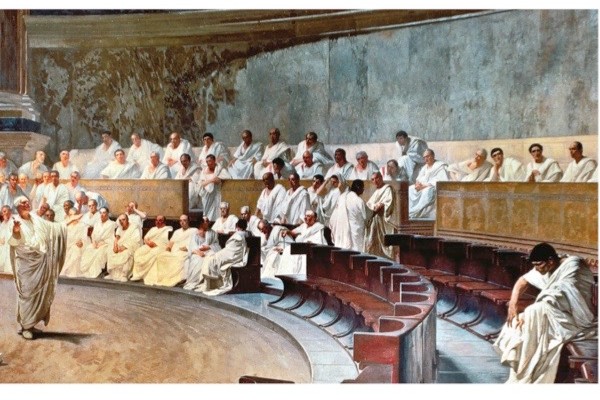


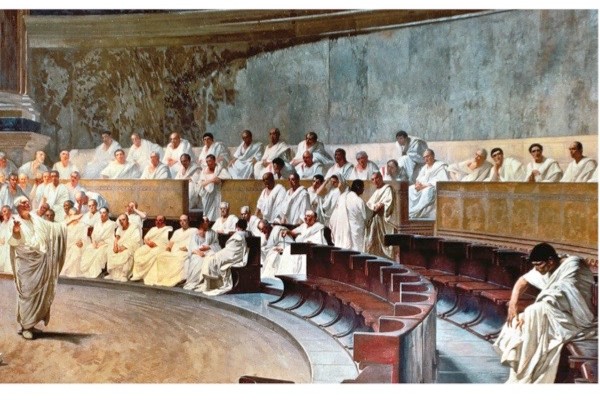
In the eighth episode of the Roman series of the Western Traditions Podcast, we embark on a journey back to 509 BC when the Roman Republic was born from the ashes of monarchy. Discover how the Senate, patricians, and consuls shaped the nascent Republic amid a tumultuous landscape of political intrigue and warfare. We delve into the military might of early Rome, its societal structure, and the legislative foundation laid by the Twelve Tables. Brimming with tales of valor, justice, and social evolution, this episode unveils the resilience and strategies that propelled a small city-state toward greatness.
RECOMMENDED READS - Click Image for Link:
00:24 - Introduction to the Roman Republic
00:51 - The Senate Takes Control
02:02 - The Role of Consuls
06:34 - The Tragedy of Brutus’ Sons
07:22 - The Revolutionary Senate
08:18 - Rome’s Enemies and Alliances
09:48 - Valerius Poplicola: A People’s Leader
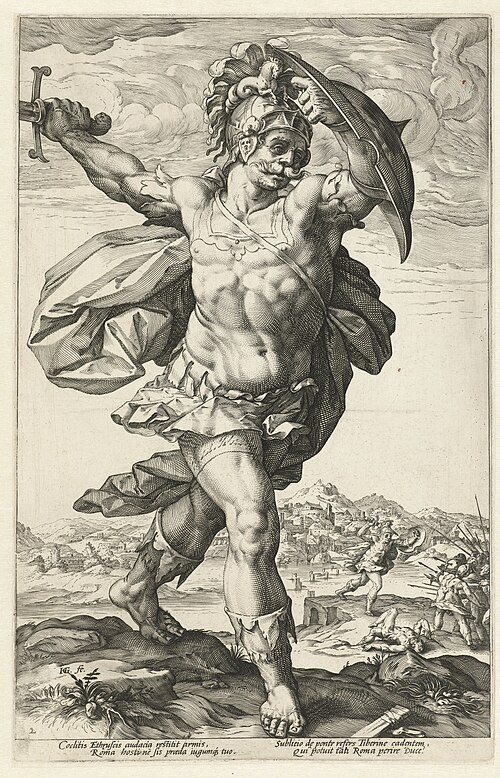
12:20 - The Legend of Horatius
14:20 - The Governance of the Republic
17:43 - The Structure of Roman Government
26:48 - The Evolution of the Legions
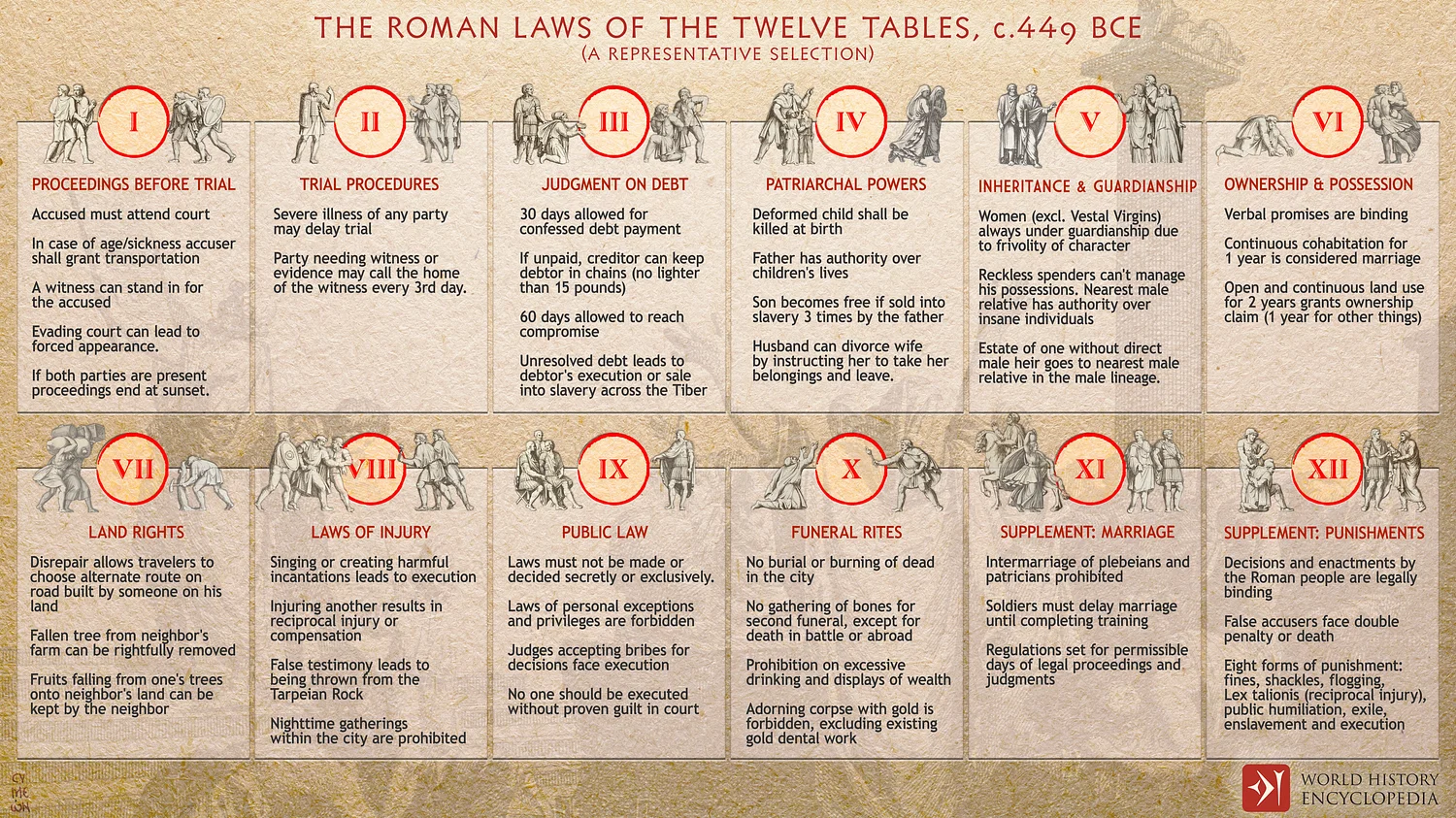
33:20 - The Twelve Tables of Roman Law
42:11 - The Nature of the Roman Constitution
44:32 - The Life of the Roman Farmer
50:59 - The Power of the Roman Father
54:01 - Conclusion and Preview of Next Episode
WEBVTT
00:00:00.000 --> 00:00:16.240
Music.
00:00:16.927 --> 00:00:23.487
The Roman Constitution rested, finally, on the most successful military organization in history.
00:00:24.447 --> 00:00:29.327
The citizens and the army were one. The army, assembled in its centuries,
00:00:29.747 --> 00:00:32.847
was the chief lawmaking body of the state.
00:00:33.187 --> 00:00:39.727
A quote by Will Durant from Caesar and Christ, the third book in his Civilization series.
00:00:40.720 --> 00:00:51.120
Music.
00:00:51.987 --> 00:00:56.787
Welcome to the Western Traditions Podcast. This is the eighth episode in the
00:00:56.787 --> 00:01:00.707
Roman series and the first episode to discuss the Roman Republic.
00:01:01.467 --> 00:01:07.747
It is the year 509 BC. The last Roman king has been exiled from the city,
00:01:07.767 --> 00:01:12.747
and now the patricians of the Senate will endure as collective ruler over the
00:01:12.747 --> 00:01:17.467
city and its expanding territories for nearly the next five centuries.
00:01:18.367 --> 00:01:23.387
If you would like to help this podcast endure, then please visit my website
00:01:23.387 --> 00:01:25.927
at western-traditions.org.
00:01:25.927 --> 00:01:30.887
That's western-traditions.org. If you're not already there, and check out the
00:01:30.887 --> 00:01:34.607
shopping page where you can buy Western Traditions t-shirts, hats, and more.
00:01:34.787 --> 00:01:39.087
You can also support the podcast directly through the PayPal or Patreon options.
00:01:39.587 --> 00:01:44.067
Patreon supporters get access to my Patreon page, where I provide updates and
00:01:44.067 --> 00:01:48.927
some behind-the-scenes details about the podcast. I also publish the occasional
00:01:48.927 --> 00:01:52.187
essay and some sneak peeks at potential future episodes.
00:01:52.727 --> 00:01:56.067
Wherever you listen to this podcast, please remember to like,
00:01:56.307 --> 00:01:58.147
share, comment, and subscribe.
00:01:58.527 --> 00:02:01.987
These are free ways to support and encourage this project.
00:02:02.327 --> 00:02:07.847
And now, back to the project that the Roman Senate envisioned after they sent
00:02:07.847 --> 00:02:10.727
Rome's last king into exile and
00:02:10.727 --> 00:02:16.347
confronted their hostile neighbors in central Italy in the year 509 BC.
00:02:17.840 --> 00:02:33.520
Music.
00:02:34.103 --> 00:02:39.223
In all the events that follow in this episode, it should be remembered just
00:02:39.223 --> 00:02:43.483
how small Rome was at the time when the Senate took over completely.
00:02:44.423 --> 00:02:50.743
Sometime in the late 6th century. The whole realm covered perhaps just 400 square miles.
00:02:51.243 --> 00:02:54.723
Now this might sound like a lot at first, but this would actually just come
00:02:54.723 --> 00:02:58.223
out to a square territory about 20 miles on each side.
00:02:58.603 --> 00:03:03.443
Many modern cities today are much bigger than this, and that is why just counting
00:03:03.443 --> 00:03:06.783
the actual city, that's just counting the actual city area, not the area which
00:03:06.783 --> 00:03:08.563
surrounds the city and supports it.
00:03:08.843 --> 00:03:12.863
And if you live in a metropolis like New York or Los Angeles,
00:03:13.163 --> 00:03:18.243
London, Mexico City, or some other such place, the entire kingdom of Rome would
00:03:18.243 --> 00:03:20.323
have fit comfortably inside your city.
00:03:20.903 --> 00:03:24.283
Now, this is not to diminish or ridicule the size of Rome.
00:03:24.543 --> 00:03:29.123
Many, but not all of the kingdoms which surrounded the Romans at this time would
00:03:29.123 --> 00:03:32.263
have been no larger, and many of them were probably smaller.
00:03:32.783 --> 00:03:36.763
Recall, if you will, the city-states of Greece. Many of them would have been
00:03:36.763 --> 00:03:38.183
the same size or smaller.
00:03:38.703 --> 00:03:41.783
But this size explains why, for instance,
00:03:42.043 --> 00:03:46.863
when messengers from Lucretia reached the army on the frontier to tell of her
00:03:46.863 --> 00:03:51.203
abuse at the hands of the royal family, that her outraged husband and friends
00:03:51.203 --> 00:03:53.823
could return so quickly to take revenge.
00:03:54.143 --> 00:03:59.903
The warlike borders of Rome were not very far away from the city itself at this time.
00:04:00.503 --> 00:04:03.463
And so, neither was the Roman Senate's peril.
00:04:03.983 --> 00:04:08.763
Even freed of their king, they were still in the same constant danger that had
00:04:08.763 --> 00:04:10.083
always confronted them.
00:04:10.283 --> 00:04:15.823
And the vengeful living king was not far away, just to the north in Etruria,
00:04:16.163 --> 00:04:21.563
the home of the Etruscans, biding his time and looking for an opportunity to resume power.
00:04:22.243 --> 00:04:27.083
Now, in order to take advantage of executive powers without losing their own
00:04:27.083 --> 00:04:30.783
collective power in the Senate as the legislators of the Republic,
00:04:31.103 --> 00:04:35.583
the patrician senators chose to replace the authority of the prior kings,
00:04:35.623 --> 00:04:38.903
whose elected term had essentially lasted their whole lives,
00:04:39.123 --> 00:04:41.403
with the powers of the consuls.
00:04:42.233 --> 00:04:46.033
A consul would be elected to lead the Senate for only a year at a time,
00:04:46.173 --> 00:04:50.573
and there would be two of them, two consuls, no more, no less,
00:04:50.733 --> 00:04:52.433
in power at any given time.
00:04:53.073 --> 00:04:56.273
These two would have to work in agreement, along with the Senate.
00:04:56.613 --> 00:05:02.833
This would deter anyone from assuming dictatorial power and also hopefully prevent
00:05:02.833 --> 00:05:05.973
cults of personality arising around particular men.
00:05:05.973 --> 00:05:13.353
The first two consuls chosen were Colatinus Tarquinius and Lucius Junius Brutus.
00:05:14.033 --> 00:05:19.133
Colatinus was the aggrieved husband of Lucretia, and Brutus was a man whose
00:05:19.133 --> 00:05:21.293
family had been murdered by the former king.
00:05:21.713 --> 00:05:26.453
In fact, the legend states that Brutus was so called because he had only survived
00:05:26.453 --> 00:05:32.533
the king's wrath by pretending to be a fool, a brute, hence the cognomen Brutus.
00:05:33.213 --> 00:05:38.973
Translating using the tria nomina of Roman nomenclature, Lucius Junius Brutus
00:05:38.973 --> 00:05:42.253
was essentially being called Lucius Junius the Fool.
00:05:42.973 --> 00:05:48.333
Now, the exiled king and his Etruscan supporters did not immediately have the
00:05:48.333 --> 00:05:50.173
military power to retake Rome.
00:05:50.413 --> 00:05:55.353
Instead, they sent ambassadors seeking negotiations, and they sought to stir
00:05:55.353 --> 00:05:59.033
up conspiracies among certain senators and patrician families.
00:05:59.813 --> 00:06:04.733
Among those conspiring with the king's ambassadors were two sons of Brutus himself.
00:06:05.113 --> 00:06:09.493
These sons of his were eager and willing not just to bring the king back,
00:06:09.593 --> 00:06:12.893
but they were even willing to see the downfall of their own father.
00:06:14.133 --> 00:06:18.693
A slave overheard these conspirators, including the sons of Brutus,
00:06:18.873 --> 00:06:20.193
plotting their takeover.
00:06:20.473 --> 00:06:24.233
When this slave later exposed the conspiracy to the Senate, it,
00:06:24.833 --> 00:06:29.353
Brutus called for the young men, his own sons, and asked them in front of the
00:06:29.353 --> 00:06:34.253
Forum if they could defend themselves against these charges of conspiracy with the king.
00:06:34.893 --> 00:06:40.893
When his own sons did not deny their part in the plot, Brutus let justice be done.
00:06:41.913 --> 00:06:46.733
The lads were bound on the floor of the Forum, beaten viciously with rods,
00:06:46.953 --> 00:06:48.913
and then beheaded with axes.
00:06:49.975 --> 00:06:55.075
All this time, Brutus watched and said nothing. He showed no emotion.
00:06:55.615 --> 00:07:00.275
The law, not human sentiment, would reign supreme in Rome.
00:07:01.215 --> 00:07:06.415
Plutarch states that Brutus, in giving young Rome such an example of obedience
00:07:06.415 --> 00:07:11.475
and discipline, played a more important role than the legendary Romulus had
00:07:11.475 --> 00:07:13.135
in founding the city of Rome.
00:07:13.295 --> 00:07:19.015
He gave its men a cold-blooded model of self-control that would serve its leaders
00:07:19.015 --> 00:07:21.895
and its legions for centuries to come.
00:07:22.415 --> 00:07:27.115
In that chaotic first year of the Republic, there were five consuls.
00:07:27.455 --> 00:07:32.195
Only two ever served at one time, but the bellicose environment of central Italy
00:07:32.195 --> 00:07:37.755
and the fierce desire to avoid centralization of power in any man's hands led
00:07:37.755 --> 00:07:38.895
to the political removal,
00:07:38.895 --> 00:07:43.075
or the battlefield death and replacement, of consuls rather quickly.
00:07:43.995 --> 00:07:48.635
Colatinus, being a close relative of the king, eventually lost favor and was
00:07:48.635 --> 00:07:50.055
sent into exile himself.
00:07:50.495 --> 00:07:55.275
The Senate, as conservative as it was with regards to culture and its own place
00:07:55.275 --> 00:07:59.775
in Roman society, was also really a revolutionary body in some sense.
00:07:59.915 --> 00:08:02.315
It was radically zealous for independence.
00:08:02.975 --> 00:08:07.675
Vows were made to never even negotiate with the former king or his family.
00:08:08.515 --> 00:08:13.755
Lucius Junius Brutus himself would die in battle, defending Rome against her
00:08:13.755 --> 00:08:17.575
enemies before his year-long term as consul was even over.
00:08:18.415 --> 00:08:22.595
Now, this all makes it sound as if the whole world was against Rome,
00:08:22.635 --> 00:08:26.515
as if every power that surrounded her was just intent on destroying her.
00:08:26.635 --> 00:08:32.015
But it should be remembered also that Rome was also just as intent on destroying her neighbors.
00:08:32.655 --> 00:08:37.255
This was the way of the world, this constant seeking of advantage and domination
00:08:37.255 --> 00:08:39.455
over other groups by tribes of humans.
00:08:39.735 --> 00:08:45.075
We have seen already in Greek history how the city-states were ever in conflict with one another.
00:08:45.735 --> 00:08:49.375
And during the Middle Ages, we will see in the life of Dante Alighieri,
00:08:49.475 --> 00:08:54.755
for example, that things in Italy had not changed very much even nearly 2,000 years later.
00:08:55.175 --> 00:08:59.655
The city-states of Italy were still in perpetual conflict with one another.
00:09:00.375 --> 00:09:03.595
The following may seem like a digression, but hear me out.
00:09:03.855 --> 00:09:10.175
Recent research into chimpanzee tribes in Central Africa has revealed a startling fact.
00:09:10.495 --> 00:09:15.635
Not one tribe maintains friendly relations with any other chimp tribe.
00:09:15.875 --> 00:09:20.035
Not one. Even though they're all the same species, there are no alliances,
00:09:20.375 --> 00:09:25.875
no truces, no peace treaties. all chimpanzee tribes see other tribes as enemies
00:09:25.875 --> 00:09:30.155
and remain in a state of perpetual warfare with their fellow chimps.
00:09:30.495 --> 00:09:34.555
The human race has not come very far, it would seem, from its violent roots.
00:09:35.355 --> 00:09:39.095
Now, consuls in Rome were only elected for a year at a time,
00:09:39.215 --> 00:09:40.375
but they could be re-elected.
00:09:40.755 --> 00:09:44.935
One of the consuls chosen that first year managed to survive his term and went
00:09:44.935 --> 00:09:48.095
on to be re-elected to the office of consul more than once.
00:09:48.535 --> 00:09:53.615
His name was Publius Valerius, but he earned the cognomen Poplicola,
00:09:53.815 --> 00:09:57.975
or people lover, because of the deference that he showed to the people of Rome.
00:09:58.775 --> 00:10:02.955
Initially, Poplicola had been regarded with suspicion as someone looking to
00:10:02.955 --> 00:10:08.155
secure power for himself to replace the king, essentially, but he won the trust
00:10:08.155 --> 00:10:12.375
of the Senate, defeating Rome's enemies in the field of battle multiple times.
00:10:12.655 --> 00:10:16.275
When Brutus fell in battle later in that first year of the Republic,
00:10:16.975 --> 00:10:21.635
Poplicola was victorious in the same battle and returned in triumph to the city,
00:10:22.235 --> 00:10:26.475
meaning that he led a parade of victory on a chariot and received the accolades
00:10:26.475 --> 00:10:28.235
of the public and gifts from the Senate.
00:10:29.575 --> 00:10:34.295
Plutarch's essays parallel the biographies of famous Romans with their Greek counterparts.
00:10:34.595 --> 00:10:38.995
In this collection of essays, the life of Popelikola is paired with that of
00:10:38.995 --> 00:10:40.975
Solon, the Athenian lawgiver,
00:10:41.195 --> 00:10:46.215
perhaps because Popelikola both preserved the city's nascent traditions and,
00:10:46.215 --> 00:10:51.795
as one of its first consuls, he played an elementary role in creating its institutions.
00:10:52.795 --> 00:10:56.755
Plutarch also relates that Poplicola replenished the numbers of the Senate,
00:10:56.995 --> 00:10:59.255
which had been greatly reduced by battle deaths.
00:10:59.475 --> 00:11:04.795
The total number of senatorial seats was now 300, and Poplicola is said to have
00:11:04.795 --> 00:11:10.735
appointed over half of the chamber's members himself in this effort to replace their fallen comrades.
00:11:10.995 --> 00:11:15.295
He also appears to have raised many men of the equites class to this honor.
00:11:15.295 --> 00:11:19.875
Remember that the equites were the social class just below the patricians,
00:11:20.375 --> 00:11:25.455
wealthy enough to supply a horse for battle, but not as wealthy as the oldest families in Rome.
00:11:25.815 --> 00:11:30.275
Thus, Popplicola elevated many new families to join the patrician class.
00:11:30.675 --> 00:11:35.215
So, there was this upward mobility in early republican Rome,
00:11:35.395 --> 00:11:37.995
but it only came at the cost of blood.
00:11:38.955 --> 00:11:43.955
Poplicola also, Plutarch alleges, made a law allowing any man to kill another
00:11:43.955 --> 00:11:45.775
man who aspired to tyranny.
00:11:46.115 --> 00:11:50.575
Thus, if you heard a man proclaiming that he would seize sole power over Rome,
00:11:50.795 --> 00:11:54.635
it was legal to kill him immediately on the spot, without a trial.
00:11:55.055 --> 00:11:59.275
This would in fact be the justification for Marcus Junius Brutus,
00:11:59.515 --> 00:12:05.215
a descendant of the first consul Lucius Junius Brutus centuries later to assassinate
00:12:05.215 --> 00:12:08.875
Julius Caesar, that the man had intended to become king.
00:12:09.155 --> 00:12:14.175
Yes, according to Rome's oldest traditions, Marcus Brutus expected to be hailed
00:12:14.175 --> 00:12:19.355
as a hero for killing Julius Caesar because he had obeyed this most ancient law.
00:12:20.304 --> 00:12:24.824
Anyway, from this time period, the first year or two of Rome's freedom from
00:12:24.824 --> 00:12:28.304
monarchy, comes also the legend of Horatio.
00:12:28.904 --> 00:12:34.144
Properly known as Horatio Cucles, he was a patrician and an officer in the Roman
00:12:34.144 --> 00:12:38.704
army at a moment when an enemy army had routed Rome's soldiers,
00:12:38.944 --> 00:12:43.204
and they were all hurrying toward the only bridge over the Tiber River.
00:12:43.424 --> 00:12:46.164
On the other side of the river lay Rome itself.
00:12:46.824 --> 00:12:50.124
Now, not only was the army threatened with destruction at this juncture,
00:12:50.284 --> 00:12:54.864
but in the chaos and disorganization of retreat, it seemed likely that the enemy
00:12:54.864 --> 00:12:58.784
would follow them over the bridge, burst into the city, and sack it,
00:12:59.124 --> 00:13:02.004
essentially bringing an end not only to Rome's newfound freedom,
00:13:02.184 --> 00:13:04.624
but also bringing on its very destruction.
00:13:05.304 --> 00:13:09.504
But Horatio Cocles, Horatio the One-Eyed is how you would translate that,
00:13:09.604 --> 00:13:12.924
possibly. He was given this name because he had already lost an eye in battle.
00:13:13.544 --> 00:13:15.444
Horatio with two other men stood
00:13:15.444 --> 00:13:19.204
their ground at the end of the bridge and would not let the enemy cross.
00:13:19.924 --> 00:13:24.544
Once the retreating Romans had all crossed, the two other men began to retreat
00:13:24.544 --> 00:13:26.224
over the bridge to the other side,
00:13:26.344 --> 00:13:31.164
but Horatio held his ground on the other bank until his fellow Romans could
00:13:31.164 --> 00:13:35.164
destroy the bridge and thus prevent the enemy from rushing through the gates
00:13:35.164 --> 00:13:36.404
and overthrowing the city.
00:13:36.784 --> 00:13:40.964
When the Romans were able to destroy their end of the bridge on their side of
00:13:40.964 --> 00:13:45.644
the Tiber River, Horatio fell with the wreckage into the rushing waters below.
00:13:45.924 --> 00:13:50.844
He then swam horribly wounded to the friendly shore, and he has been praised
00:13:50.844 --> 00:13:52.844
ever since as a great Roman hero.
00:13:53.624 --> 00:13:58.504
Pope Licola himself would be elected consul a total of four times.
00:13:58.724 --> 00:14:04.744
He died shortly after his fourth consulship when he had passed power on to two new consuls.
00:14:05.004 --> 00:14:08.884
He was apparently of the least wealthy of the patricians, and he was buried
00:14:08.884 --> 00:14:12.744
at public expense because his estate could not afford to do so.
00:14:13.144 --> 00:14:17.884
A few years after he died, the last king, Tarquinius Superbus,
00:14:18.264 --> 00:14:20.464
still in exile, also died.
00:14:20.804 --> 00:14:25.664
And the Roman Republic's fight for survival became somewhat less complicated.
00:14:28.080 --> 00:14:39.920
Music.
00:14:40.901 --> 00:14:43.901
But just how was this newfound republic going to be governed?
00:14:44.181 --> 00:14:48.541
We possess today a very solid blueprint for Roman government,
00:14:48.561 --> 00:14:52.561
but there's some doubt that it was immediately in place after the removal of the king.
00:14:52.941 --> 00:14:58.581
Most scholars believe that the Roman government's components came into place slowly over the years.
00:14:59.081 --> 00:15:04.581
Nevertheless, whether this government was in place as early as 509 BC or came
00:15:04.581 --> 00:15:08.901
more slowly into existence, let's make ourselves familiar with it because,
00:15:09.361 --> 00:15:13.561
as described, it will play a huge role in the coming Punic Wars.
00:15:14.061 --> 00:15:18.121
Rome's victories in these wars would lead to the creation of their empire and
00:15:18.121 --> 00:15:21.561
ultimately the creation of the West in which we live today.
00:15:22.201 --> 00:15:25.641
So, you might think that I would begin this explanation of Roman government
00:15:25.641 --> 00:15:28.961
with the two consuls who were the executive branch of the government,
00:15:28.961 --> 00:15:33.361
But as in the written document of the United States Constitution,
00:15:33.841 --> 00:15:39.761
things really begin with the legislative body, which in Rome was primarily the Senate.
00:15:40.181 --> 00:15:44.361
It was the Senate that was supreme. It was the lawmaking body,
00:15:44.361 --> 00:15:49.261
and its members oversaw all the decisions of the individuals and the other branches
00:15:49.261 --> 00:15:51.201
of government which operated the state.
00:15:51.401 --> 00:15:57.241
These senators represented the quote-unquote people, and they elected the executive
00:15:57.241 --> 00:15:58.601
leadership of the state.
00:15:59.401 --> 00:16:03.281
Down through the years, their numbers would vary, but throughout most of the
00:16:03.281 --> 00:16:08.141
history of the Republic, there would be roughly 300 senators at any time,
00:16:08.281 --> 00:16:11.301
all of them usually from patrician families.
00:16:11.621 --> 00:16:15.461
There were, of course, more than 300 patrician men at any given time,
00:16:15.481 --> 00:16:18.901
and when there were vacancies in the numbers of the Senate, new members could
00:16:18.901 --> 00:16:21.261
be quickly appointed to fill those seats.
00:16:21.821 --> 00:16:25.841
It seems like the new members were initially appointed by the consuls,
00:16:25.961 --> 00:16:30.481
but obviously the Senate had to also accept the new members and might even deny
00:16:30.481 --> 00:16:34.441
them a seat if they felt that the newly appointed senator was not a good fit.
00:16:35.077 --> 00:16:39.557
In fact, the U.S. Constitution originally gave its own legislature the right
00:16:39.557 --> 00:16:44.757
to deny new members as well, but this right has been since explained away by court decisions.
00:16:45.197 --> 00:16:50.637
It is naturally tempting to regard these senatorial patrician families as just
00:16:50.637 --> 00:16:52.917
some effete ruling class,
00:16:53.137 --> 00:16:55.957
leading lives distant from the experiences of their subjects,
00:16:55.997 --> 00:17:00.397
but we should temper this emotional response with a dose of reality.
00:17:00.937 --> 00:17:04.677
While the patricians no doubt had it better than the common or less wealthy
00:17:04.677 --> 00:17:09.637
members of their society, in many ways they shared the same Spartan kind of
00:17:09.637 --> 00:17:11.437
life, at least in the early centuries.
00:17:11.857 --> 00:17:17.657
The Senate met and sat on hard wooden benches in a chamber in the Roman Forum,
00:17:17.697 --> 00:17:22.757
and there was no air conditioning of any kind, nor was their meeting room even heated during winter.
00:17:23.177 --> 00:17:27.397
They lived on a diet only a little improved over that of their poorer countrymen,
00:17:27.397 --> 00:17:30.557
and they often worked the land alongside their servants.
00:17:30.737 --> 00:17:35.557
As we have seen with other kings and queens in our own stories of ancient times,
00:17:35.777 --> 00:17:40.957
even with, say, the story of Odysseus, the rulers led lives only slightly better
00:17:40.957 --> 00:17:42.657
than the people over whom they ruled.
00:17:43.057 --> 00:17:48.797
I will mention again the example of Cincinnatus, but I'm going to save his story for the next episode.
00:17:49.517 --> 00:17:54.577
And while today many of the wealthy send the poor off to fight their wars,
00:17:54.577 --> 00:18:00.497
In Roman times, you were almost required to be one of the privileged classes in order to fight.
00:18:00.957 --> 00:18:05.297
Whenever you hear about heavy infantry or cavalry fighting in these episodes,
00:18:05.477 --> 00:18:10.097
understand that these soldiers were from at least upper-middle-class backgrounds.
00:18:10.317 --> 00:18:14.317
So the wealthy, even if they were guilty of leading privileged lives,
00:18:14.517 --> 00:18:18.077
they at least risked their own skin to further Rome's causes,
00:18:18.277 --> 00:18:20.917
instead of having others do their fighting for them.
00:18:21.557 --> 00:18:25.877
Now, of course, as time passed, this would change, and the wealthy would find
00:18:25.877 --> 00:18:31.457
ways to avoid the dangers that the state ran in order to enrich the already wealthy upper classes.
00:18:31.637 --> 00:18:35.977
But with regard even to later men like Julius Caesar, no matter what you may
00:18:35.977 --> 00:18:40.677
think of his politics, he and his peers demonstrated personal discipline and
00:18:40.677 --> 00:18:42.817
physical bravery on a daily basis.
00:18:43.945 --> 00:18:48.965
Now, the Senate initially appointed the consuls each year, but later they appear
00:18:48.965 --> 00:18:53.145
to have delegated that task to another government body, which I'll get to in a moment.
00:18:53.625 --> 00:18:57.885
There were always at least two consuls at any given time, unless one died or
00:18:57.885 --> 00:19:02.345
was killed in battle, in which case he was replaced as soon as possible.
00:19:02.745 --> 00:19:08.505
These two consuls held office simultaneously for one year, starting around early
00:19:08.505 --> 00:19:12.245
May, and they were either replaced or re-elected the following May.
00:19:13.025 --> 00:19:17.545
Re-election was possible, but not too common for fear of giving the consul the
00:19:17.545 --> 00:19:20.145
idea that he had a right to the office.
00:19:20.365 --> 00:19:24.065
And no member of the Senate wanted to give any other senator the idea that he
00:19:24.065 --> 00:19:25.925
might rule as king over the rest of them.
00:19:26.385 --> 00:19:30.745
But obviously, there were many other necessary roles and jobs to do in the Roman
00:19:30.745 --> 00:19:33.705
government. There were the censors, for example.
00:19:34.105 --> 00:19:38.085
The censors, there were usually always two of them at any time.
00:19:38.085 --> 00:19:43.105
They were elected to longer terms, usually somewhere between 18 months and 5
00:19:43.105 --> 00:19:46.745
years, depending on which era of Rome that you look at.
00:19:46.805 --> 00:19:50.505
But they were in charge of the census, of government finances,
00:19:50.765 --> 00:19:53.205
and they were in charge of public morality.
00:19:53.705 --> 00:19:59.125
This latter duty, oversight of public morality, might sound somewhat insignificant
00:19:59.125 --> 00:20:01.005
to our modern ears, but the censors
00:20:01.005 --> 00:20:05.585
were almost as highly regarded as the consuls, perhaps even more so.
00:20:05.585 --> 00:20:10.805
The importance of the census and finances aside, the censors' powers over public
00:20:10.805 --> 00:20:16.865
morals was very meaningful in Roman society, especially in the earlier stages of the Republic.
00:20:17.165 --> 00:20:22.585
From the title of their office, we get the modern terms and the concept such as censorship.
00:20:23.564 --> 00:20:29.064
The censors could bring down punishment on any Roman citizen whom they believed
00:20:29.064 --> 00:20:32.004
was acting or living without honor or integrity.
00:20:32.784 --> 00:20:37.064
Infractions which might bring down the punishment of the censors on you included the following.
00:20:37.564 --> 00:20:43.064
1. Failing to marry and procreate. 2. Living luxuriously.
00:20:43.484 --> 00:20:50.724
3. Cruelty to slaves. 4. Being either too harsh or too mild with your wife and children.
00:20:50.724 --> 00:20:55.584
And many other actions and behaviors which were considered signs of low character
00:20:55.584 --> 00:20:59.704
would bring the attention of the censors who were not afraid to call people
00:20:59.704 --> 00:21:01.564
out for their dishonorable acts.
00:21:01.644 --> 00:21:05.884
And here we have another term we've derived today from their name censure,
00:21:06.124 --> 00:21:12.304
which is used often in Congress when a member of that Congress is blamed for
00:21:12.304 --> 00:21:16.564
something or shamed for something without actually being particularly penalized.
00:21:17.084 --> 00:21:22.364
The censors typically, then as now, did not bring about actual physical punishments.
00:21:22.484 --> 00:21:27.184
That is, you were not going to be flogged or imprisoned if the censors chastised you.
00:21:27.344 --> 00:21:31.604
But their disfavor was very public, and it resulted in public disgrace,
00:21:31.964 --> 00:21:37.184
the stain of shame on your family, social ostracism, and other moral consequences.
00:21:37.644 --> 00:21:41.924
Furthermore, if you were a senator, you could be removed from office by the censors.
00:21:42.584 --> 00:21:47.404
And of course, the censors were hip-deep in public money, so their roles were extremely important.
00:21:47.804 --> 00:21:51.304
The legions could not function without pay, without the food that money would
00:21:51.304 --> 00:21:55.224
buy, without arms and armor that public funds procured, and so on.
00:21:55.984 --> 00:22:00.464
Now, you might be tempted to think about these censors and other high officers
00:22:00.464 --> 00:22:04.964
of the government, like the president's cabinet members in the United States,
00:22:04.964 --> 00:22:09.124
or perhaps a ministry or department leader in another Western government.
00:22:09.124 --> 00:22:14.184
But the censors, the consuls, and other high-ranking members of the Roman government
00:22:14.184 --> 00:22:16.924
were actually much more independent of each other.
00:22:17.684 --> 00:22:21.824
Using the United States as an example, a cabinet member, such as the Secretary
00:22:21.824 --> 00:22:26.124
of State, the Secretary of Defense, or the Treasury, he's really expected to
00:22:26.124 --> 00:22:28.664
simply carry out the desires of the president.
00:22:29.084 --> 00:22:33.584
He's the one appointed to go out and do the dirty work, so to speak.
00:22:33.584 --> 00:22:37.324
If the president is unhappy with his secretary of labor, for example,
00:22:37.764 --> 00:22:39.404
he can simply remove that individual.
00:22:40.263 --> 00:22:45.163
Not so in the Roman government. The consuls, for example, could not remove the
00:22:45.163 --> 00:22:48.003
censors, nor could the censors remove the consuls.
00:22:48.303 --> 00:22:52.263
Later, I will talk a little more about how this seemingly chaotic arrangement
00:22:52.263 --> 00:22:55.243
both did and did not work for the Romans.
00:22:56.003 --> 00:23:01.783
Now, beneath these uppermost officials, there were a variety of praetors and
00:23:01.783 --> 00:23:07.803
prefects, adils and quaestors and so on, many already mentioned in the last episode.
00:23:07.963 --> 00:23:13.143
A praetor, for example, was a government official, but it could also be a general over soldiers.
00:23:13.723 --> 00:23:17.903
And indeed, the consuls were automatically in charge of the legions.
00:23:18.063 --> 00:23:21.903
During times of war, in future episodes, we will see how the consuls,
00:23:22.163 --> 00:23:26.763
after election, would immediately leave Rome and head to whatever battlefield
00:23:26.763 --> 00:23:31.143
the legions occupied to take over the army from last year's consuls.
00:23:31.803 --> 00:23:36.843
On occasion, when Rome was in great trouble, the two consuls would,
00:23:37.043 --> 00:23:39.903
with the permission of the Senate, appoint a dictator.
00:23:40.183 --> 00:23:45.523
This dictator would be given supreme power, even over the consuls, for six months.
00:23:46.043 --> 00:23:50.743
This would basically only happen during times of extreme danger to the state,
00:23:50.943 --> 00:23:54.603
typically due to warfare, and this solution was not always applied.
00:23:54.723 --> 00:23:59.823
In plenty of difficult times, we will see Rome continue to operate on its reliable
00:23:59.823 --> 00:24:05.523
two-consul system without electing a dictator, but such an election was always an option.
00:24:06.123 --> 00:24:10.563
Finally, over the years, as we will see in all future episodes about Rome,
00:24:10.743 --> 00:24:14.063
there was the perennial friction between the classes.
00:24:14.443 --> 00:24:19.623
Class struggles resulted in the creation of other representative bodies over time.
00:24:19.863 --> 00:24:23.683
There would soon be in Rome a centurion assembly,
00:24:23.863 --> 00:24:28.143
which would be the real decision-making body, as the Senate tended to become
00:24:28.143 --> 00:24:32.923
an upper house of respected men who would simply agree or not agree with the
00:24:32.923 --> 00:24:37.623
direction that members of lower assemblies and offices were taking with the state.
00:24:37.843 --> 00:24:42.843
This body, the centurion assembly, would do most of the actual appointment of
00:24:42.843 --> 00:24:47.663
consuls, censors, and such, the Senate only intervening if it felt that wrong
00:24:47.663 --> 00:24:48.843
decisions were being made.
00:24:48.983 --> 00:24:54.183
And it was this centurion assembly which would officially declare war on Rome's enemies.
00:24:55.143 --> 00:24:59.463
Then, eventually, the tribunal assembly would come into being.
00:24:59.603 --> 00:25:03.663
This was essentially a lower house of the government. In some ways,
00:25:03.783 --> 00:25:06.123
you might think of it like a house of commons or the U.S.
00:25:06.243 --> 00:25:10.003
House of Representatives, which was elected by the common citizens of Rome,
00:25:10.223 --> 00:25:16.663
and of whom there would be many more over time, as Rome liberalized just what citizen meant.
00:25:17.403 --> 00:25:21.483
In fact, during periods of Rome's history, it was the tribunes,
00:25:21.583 --> 00:25:26.943
or elected leaders of this tribal assembly, who held the real power in Rome and in the army.
00:25:27.263 --> 00:25:32.043
A more static arrangement of power will appear during the years of the Punic
00:25:32.043 --> 00:25:37.023
Wars, but both prior to and after that period, it appears that the power structure
00:25:37.023 --> 00:25:38.823
of Rome evolved quite a bit.
00:25:39.651 --> 00:25:44.111
None of these representative bodies, however, and none of their officers included
00:25:44.111 --> 00:25:49.691
or represented women, slaves, foreigners, and the others who might inhabit the land.
00:25:50.251 --> 00:25:56.031
Being a citizen of Rome, even in its more liberal days, was a privilege, not a right.
00:25:56.431 --> 00:26:00.491
Now, as a whole, together, the holders of these offices, the consuls,
00:26:00.691 --> 00:26:03.831
the censors, and others, they were known as magistrates.
00:26:03.831 --> 00:26:09.031
We reserve this term today for judges or other people with judicial power,
00:26:09.031 --> 00:26:13.931
but it applied well to the Roman governmental positions because there was less
00:26:13.931 --> 00:26:15.791
of a divide between judicial,
00:26:16.051 --> 00:26:18.831
executive, and legislative power in the Roman Constitution.
00:26:19.271 --> 00:26:24.211
In our modern republics in the West, and even in states that are not so democratic,
00:26:24.551 --> 00:26:28.711
there are clearly drawn lines between various roles in government.
00:26:28.711 --> 00:26:33.931
The executive branch is independent of the legislative. The judicial branch
00:26:33.931 --> 00:26:37.831
is separate from the executive and military power is completely separate.
00:26:38.371 --> 00:26:41.571
Generals command on the battlefield, not in the public streets.
00:26:42.231 --> 00:26:46.391
But in ancient Rome, there was as yet less distinction between these roles,
00:26:46.831 --> 00:26:48.351
between these branches of authority.
00:26:48.551 --> 00:26:53.571
And just as an officeholder like a consul or a praetor might have powers that
00:26:53.571 --> 00:27:00.871
mixed executive, judicial, and legislative powers, they also often held military power as well.
00:27:01.840 --> 00:27:13.680
Music.
00:27:13.931 --> 00:27:20.091
The legions of Rome, like any military force, underwent evolution as time passed.
00:27:20.951 --> 00:27:24.671
For the moment, here in the early stages of the Republic, I will give you some
00:27:24.671 --> 00:27:29.791
of the classic forms that the legions took in terms of numbers of soldiers and
00:27:29.791 --> 00:27:30.691
how they were commanded.
00:27:31.478 --> 00:27:35.878
This manifestation of the legions would remain pretty similar down to the time
00:27:35.878 --> 00:27:39.238
of the Punic Wars in the 3rd and 2nd centuries BC anyway.
00:27:39.658 --> 00:27:43.458
And let's begin this from the ground up. Let's first consider the soldiers,
00:27:43.718 --> 00:27:44.998
the legionaries themselves.
00:27:45.618 --> 00:27:49.978
Originally, the legionaries were always conscripts from among the citizens.
00:27:50.098 --> 00:27:54.698
In other words, there was not a standing army, but rather every citizen had
00:27:54.698 --> 00:27:57.458
to be ready to serve in the ranks at a moment's notice.
00:27:58.118 --> 00:28:01.758
When called upon, when the city was in danger or there was some other reason
00:28:01.758 --> 00:28:06.318
to form an army, a citizen would drop his responsibilities, don his armor,
00:28:06.578 --> 00:28:08.638
pick up his weapons, and report for duty.
00:28:09.178 --> 00:28:13.398
If he was one of the poorer citizens, the legionary might only be armed with
00:28:13.398 --> 00:28:15.478
a short stabbing spear and a shield.
00:28:15.898 --> 00:28:19.658
In fact, at the beginning of the Republic, this would have represented the majority
00:28:19.658 --> 00:28:21.038
of the soldiers in the legion.
00:28:21.618 --> 00:28:25.778
Wealthier men could afford armor and heavier arms and fight with long spears
00:28:25.778 --> 00:28:30.718
and swords, like hoplites did in Greece, and the truly upper classes could afford
00:28:30.718 --> 00:28:34.018
horses as well, and they formed the cavalry arm of the legions.
00:28:34.498 --> 00:28:39.198
As time passed, the Senate would ensure that more soldiers received a minimum
00:28:39.198 --> 00:28:44.438
of body armor and a galadius, that is, a short sword for close quarters combat.
00:28:44.778 --> 00:28:48.218
The classic soldier of the legions, when going into a battle,
00:28:48.338 --> 00:28:52.378
would be armed with a pila, that is, a short throwing spear or javelin,
00:28:52.378 --> 00:28:54.998
and a short sword called a gladius.
00:28:55.258 --> 00:28:59.758
As a side note, we get the name gladiator from this word for sword.
00:29:00.078 --> 00:29:06.578
The gladiator used a gladius. He was a swordsman, though actual gladiators used a variety of weapons.
00:29:07.158 --> 00:29:11.458
But anyway, wearing male armor, either of rings of chain or metal plates,
00:29:11.558 --> 00:29:15.738
and defending himself with a shield, the soldier of the Roman legions combined
00:29:15.738 --> 00:29:22.018
the team-oriented tactics of the phalanxes with a fierce individual capacity for violence.
00:29:22.838 --> 00:29:26.458
Nearing the enemy ranks, these legionaries would launch their spears and then
00:29:26.458 --> 00:29:27.878
charge with their swords.
00:29:28.038 --> 00:29:32.078
Thus, the enemy would be inundated with falling missiles just before they withstood
00:29:32.078 --> 00:29:33.918
the impact of the charging legion.
00:29:34.575 --> 00:29:38.515
The legionaries, however they were armed, were led by centurions.
00:29:38.835 --> 00:29:44.175
A centurion, as you might guess from the name, led a group of soldiers numbering roughly 100.
00:29:44.515 --> 00:29:48.575
However, this was really more of an ideal number, and due to injuries,
00:29:48.835 --> 00:29:55.475
recruitment issues, illnesses, or whatever, a typical Roman century might only hold 80 men or even less.
00:29:56.215 --> 00:30:00.855
A centurion was something then like a lieutenant or a captain in a modern infantry
00:30:00.855 --> 00:30:05.675
force, commanding numbers somewhat larger than those in a modern infantry platoon,
00:30:05.855 --> 00:30:08.815
but smaller than a typical company-sized force.
00:30:09.315 --> 00:30:13.775
These centuries were organized into groups. Originally, those groups were called
00:30:13.775 --> 00:30:16.235
maniples, but later they were called cohorts.
00:30:16.635 --> 00:30:20.695
If you recall the Greek series of podcasts in the time of Alexander the Great,
00:30:20.695 --> 00:30:26.455
the Greek phalanx, or block of heavy infantry, was composed of 16 lines of 16
00:30:26.455 --> 00:30:29.175
soldiers, or about 256 men.
00:30:29.755 --> 00:30:33.895
The Roman version of this military unit was the cohort, which would consist
00:30:33.895 --> 00:30:39.075
of six centuries, and the cohort would vary in total numbers but usually contained
00:30:39.075 --> 00:30:41.935
less than 500 total men, most of the time.
00:30:42.135 --> 00:30:45.455
The cohort was commanded by the most senior centurion.
00:30:46.195 --> 00:30:50.495
Several of these cohorts would be organized into a full legion.
00:30:50.735 --> 00:30:53.595
Again, over time, the total would vary, but for our purposes,
00:30:54.075 --> 00:30:58.955
imagine the full legion usually numbering around 4,000 infantry soldiers.
00:30:59.335 --> 00:31:02.955
The legion was commanded by a legatus, or legate.
00:31:03.275 --> 00:31:08.775
This legate would also then be in charge of the legion's attached cavalry unit,
00:31:09.095 --> 00:31:13.635
typically composed of 300 horsemen, and these knights were usually picked from
00:31:13.635 --> 00:31:15.095
the highest patrician ranks.
00:31:15.815 --> 00:31:19.655
But just as when we learned about Greek military organization,
00:31:20.015 --> 00:31:24.035
there is less clear data about the additional personnel that surely would have
00:31:24.035 --> 00:31:25.895
been required for the legion to operate.
00:31:26.155 --> 00:31:30.755
The legions would have also had to employ or deploy numerous light troops,
00:31:31.075 --> 00:31:34.535
scouts, support personnel, camp followers, and so on.
00:31:35.135 --> 00:31:41.295
Regardless, two legions together formed a consular army, commanded by, of course, a consul.
00:31:42.035 --> 00:31:47.435
There were typically two consular armies in existence at any given time, one for each consul.
00:31:47.635 --> 00:31:51.475
Among the officers, there would be various ranks, such as the Optios,
00:31:51.695 --> 00:31:56.115
who assisted the centurions, and the Tribunes, who held varying levels of power
00:31:56.115 --> 00:32:00.575
within the legions, and the Praetors would become generals over the armies as
00:32:00.575 --> 00:32:04.755
they grew too many for the two consuls to command by themselves. Now,
00:32:05.263 --> 00:32:09.163
Even though I did say that there were no standing armies in the early republic,
00:32:09.403 --> 00:32:14.243
not as we have today, you must remember what I said earlier about the constant state of warfare.
00:32:14.603 --> 00:32:18.123
Essentially, men were always being called up to the legions because there was
00:32:18.123 --> 00:32:24.163
always trouble, so there really always was a conscript army ready or standing
00:32:24.163 --> 00:32:28.823
in action at any given time, even if Rome did not technically possess a standing army.
00:32:28.823 --> 00:32:33.463
And again, as time passed, the armies would become permanent and professional,
00:32:33.483 --> 00:32:35.623
as well as larger and more numerous.
00:32:36.543 --> 00:32:41.123
These terms and unit names will become more meaningful when we come to the Punic
00:32:41.123 --> 00:32:44.763
Wars, but it's important right away to get to know these things because many
00:32:44.763 --> 00:32:47.083
of those military offices that I mentioned,
00:32:47.483 --> 00:32:53.523
consuls, praetors, and so on, they were or could be simultaneously members of
00:32:53.523 --> 00:32:55.703
the government according to the Roman Constitution.
00:32:56.503 --> 00:33:01.723
Consuls, for example, were automatically both civil leaders and military commanders.
00:33:02.143 --> 00:33:05.663
There was just less distinction between the branches and departments of the
00:33:05.663 --> 00:33:06.683
government for the Romans.
00:33:07.343 --> 00:33:12.023
And now, having mentioned the Constitution, I think it's time to turn back to
00:33:12.023 --> 00:33:16.523
the civil arena of Roman life, so to speak, and to dig a little deeper into
00:33:16.523 --> 00:33:20.663
explaining the overall framework which organized the Roman government.
00:33:20.663 --> 00:33:25.523
In particular, we should look at the famous 12 tables of Roman law.
00:33:27.760 --> 00:33:35.760
Music.
00:33:36.343 --> 00:33:42.283
If I were to pronounce his name correctly in classical Latin, I would name him Cicero.
00:33:42.763 --> 00:33:47.283
But we are communicating in modern English, so just as I do not say Iudius Caesar
00:33:47.283 --> 00:33:51.983
to mean Julius Caesar, I will not say Cicero when I mean Cicero.
00:33:52.703 --> 00:33:56.443
Cicero was a Roman statesman and philosopher who lived during the last years
00:33:56.443 --> 00:34:00.483
of the Republic. He died just a year after Caesar was assassinated.
00:34:01.283 --> 00:34:05.623
Cicero made the claim during his lifetime that the twelve tables of Roman law
00:34:05.623 --> 00:34:10.723
were essentially superior to all the writings of all the philosophers who had ever lived.
00:34:11.691 --> 00:34:16.891
This knowledgeable and educated man, Cicero, knew of Plato, he knew of Aristotle,
00:34:16.891 --> 00:34:21.371
and many others, yet he still thought the Twelve Tables to be more valuable,
00:34:21.511 --> 00:34:26.271
far more valuable, than anything that those men had to say about life and law.
00:34:26.851 --> 00:34:33.371
Since time immemorial, Roman law had been essentially us divinum, that is, divine law.
00:34:33.611 --> 00:34:37.991
It all depended on a scattering of ancient dictates handed down from the gods
00:34:37.991 --> 00:34:39.491
and interpreted by the priests.
00:34:40.071 --> 00:34:45.211
The senators themselves kept a collection of prophecies and oracles known as the Sibylline Books.
00:34:45.431 --> 00:34:50.391
They kept them under lock and key, only to be consulted by them in times of great need.
00:34:50.971 --> 00:34:54.631
In the middle of the 5th century, though, that all seems to have changed.
00:34:54.891 --> 00:35:01.631
The famous Twelve Tables of Rome created a Ius Civile, a civil law which superseded
00:35:01.631 --> 00:35:03.851
much legal tradition that had come before.
00:35:04.551 --> 00:35:08.771
There were law codes appearing at this time all around the Mediterranean.
00:35:09.571 --> 00:35:14.571
Lycurgus and Solon had already given constitutions to the Spartans and the Athenians.
00:35:14.771 --> 00:35:19.891
In Rome, the Twelve Tables seemed to have appeared as a result of the class
00:35:19.891 --> 00:35:21.611
struggle, which I mentioned earlier.
00:35:22.071 --> 00:35:26.971
The patricians, of course, would have been content to continue on under ancient divine laws.
00:35:27.131 --> 00:35:31.231
After all, they essentially owned the priesthood, and the old ways, quote-unquote,
00:35:31.391 --> 00:35:34.571
were primarily focused on the troubles of the wealthy,
00:35:34.571 --> 00:35:38.991
And those old religious and legal traditions had little to say about the contemporary
00:35:38.991 --> 00:35:44.091
lives of common men who lived in an increasingly urbanized environment and who
00:35:44.091 --> 00:35:49.311
worked in the trades or tilled small pieces of land that surrounded growing cities like Rome.
00:35:49.996 --> 00:35:55.076
The laws written on the Twelve Tables then seem to be a compilation of concessions
00:35:55.076 --> 00:35:59.056
and compromises worked out between the patricians and the plebs,
00:35:59.196 --> 00:36:03.516
the commoners, who were gaining increasing power as the labor force of the city.
00:36:04.236 --> 00:36:08.056
And what did the Twelve Tables contain? They are, for one thing,
00:36:08.156 --> 00:36:13.496
a manual for legal procedures. For instance, the tables explain how to manage a trial.
00:36:13.696 --> 00:36:18.156
They tell you how long it can be and who oversees it and what verdicts are possible and so on.
00:36:18.876 --> 00:36:23.376
The tables also delineate specific rights that citizens and others had.
00:36:23.576 --> 00:36:28.916
They describe the privileges and duties of fathers who receive particular attention.
00:36:29.296 --> 00:36:32.936
Fathers were commanded to euthanize deformed children, for example,
00:36:33.096 --> 00:36:36.976
in these commandments, and such men were also permitted to remove their wives
00:36:36.976 --> 00:36:39.016
from their homes and to divorce them at will.
00:36:39.556 --> 00:36:44.756
A significant amount of space is given to instructions and restrictions for
00:36:44.756 --> 00:36:49.156
women in the Twelve Tables. They explain, for example, how a woman's property
00:36:49.156 --> 00:36:52.376
becomes her husband's property after a year of marriage.
00:36:52.536 --> 00:36:57.556
They also forbid women to wail loudly or cut their faces during a funeral,
00:36:57.856 --> 00:37:03.476
a remark which seems odd now, but perhaps then it was just customary for a man,
00:37:03.496 --> 00:37:06.996
a great man anyway, to have women wailing at his funeral.
00:37:07.236 --> 00:37:11.236
The wailing might have been truly inspired by grief, but it was also simply
00:37:11.236 --> 00:37:16.356
an expectation, a part of the ritual of death, to have such wailing at the graveside.
00:37:16.596 --> 00:37:22.216
This injunction, though, against women quote-unquote wailing too loudly is quite
00:37:22.216 --> 00:37:26.176
fitting for what was encouraged at this time to be the Roman temperament.
00:37:26.376 --> 00:37:29.476
Roman society expected public decorum.
00:37:29.796 --> 00:37:35.076
Passion was permitted, emotions were acknowledged, but one must demonstrate
00:37:35.076 --> 00:37:37.476
moderation and control at all times.
00:37:38.176 --> 00:37:43.356
Now, much of the language here in the Twelve Tables reminds us of any ancient
00:37:43.356 --> 00:37:47.396
legal document, such as, say, the Hebrew Torah, that is the first five books
00:37:47.396 --> 00:37:50.416
of the Bible, which contained many laws about everyday life.
00:37:50.636 --> 00:37:55.236
The Roman Twelve Tables define citizenship, they regulate lawsuits,
00:37:55.456 --> 00:37:59.116
describe punishments, and they delineate many more aspects of daily life.
00:37:59.796 --> 00:38:04.476
And while some of the things that I have mentioned may sound antiquated or strange,
00:38:04.476 --> 00:38:08.696
the Twelve Tables have had a lasting impact on our Western traditions.
00:38:09.256 --> 00:38:13.316
According to the Founding Fathers of the United States, the format and the legal
00:38:13.316 --> 00:38:17.416
logic of the Twelve Tables contributed greatly to the formation of the U.S.
00:38:17.516 --> 00:38:22.996
Constitution, and the laws in these tables are still studied around the world in legal schools.
00:38:23.416 --> 00:38:27.336
Because the tables are not just full of restrictions on women and penalties
00:38:27.336 --> 00:38:30.716
for witchcraft, nor are they just a laundry list of legalisms,
00:38:30.716 --> 00:38:35.716
there are some fundamental tenets of fairness and justice applied to Roman legal
00:38:35.716 --> 00:38:37.856
and civil life in the Twelve Tables.
00:38:38.296 --> 00:38:41.816
For instance, here in the Twelve Tables, we are told that it is forbidden for
00:38:41.816 --> 00:38:43.456
laws to be made in secret.
00:38:43.816 --> 00:38:47.656
In other words, everyone must have knowledge of the laws or have the ability
00:38:47.656 --> 00:38:50.536
to know the laws before they can be held accountable.
00:38:50.936 --> 00:38:55.376
The government cannot go passing laws secretly and then applying them to ignorant
00:38:55.376 --> 00:38:58.116
citizens, possibly even penalizing them for violations.
00:38:58.136 --> 00:39:01.796
This is something that we take for granted now in the West, but we get this
00:39:01.796 --> 00:39:06.056
idea of justice and other concepts from the Western traditions that we have
00:39:06.056 --> 00:39:07.836
received from the Greeks and the Romans.
00:39:08.595 --> 00:39:12.715
Other fundamentals taken from these 12 tables include the requirement of a guilty
00:39:12.715 --> 00:39:15.275
verdict in court before anyone can be executed,
00:39:15.515 --> 00:39:19.815
horrible repercussions for false accusers, the prohibition of perjury,
00:39:20.055 --> 00:39:25.435
the binding nature of verbal promises, the death penalty for corruption in judges, and more.
00:39:26.575 --> 00:39:30.135
However, if you have been paying close attention, you might have already noticed
00:39:30.135 --> 00:39:33.455
some discrepancies, some inconsistencies.
00:39:33.455 --> 00:39:37.855
For instance, earlier in this episode, I mentioned how Pope Licola made it legal
00:39:37.855 --> 00:39:41.815
to kill a man on the spot if he aspired to tyranny to the monarchy.
00:39:42.275 --> 00:39:45.915
That doesn't really square with the idea in the Twelve Tables that no one can
00:39:45.915 --> 00:39:48.055
be executed without a guilty verdict in court.
00:39:49.215 --> 00:39:53.095
But even though some historians that we will read throw around the phrase,
00:39:53.475 --> 00:39:58.315
the, quote, Roman Constitution, unquote, Rome did not really have a constitution
00:39:58.315 --> 00:39:59.835
like some countries do today.
00:39:59.835 --> 00:40:04.755
That is, a single written document accessible to all and supremely authoritative,
00:40:04.935 --> 00:40:07.695
which provides a foundation for all other law.
00:40:08.115 --> 00:40:11.675
Instead, it was perhaps a little more like the British Constitution.
00:40:12.135 --> 00:40:17.855
Roman jurists, like modern British legal experts, relied on a variety of codes,
00:40:18.035 --> 00:40:22.355
laws, customs, and precedents created throughout their overall history to interpret
00:40:22.355 --> 00:40:24.635
laws and determine legal outcomes.
00:40:25.175 --> 00:40:29.895
However, there were some firm parameters to all this, with things like the Twelve
00:40:29.895 --> 00:40:35.915
Tables providing clear judicial guidance, even if it was not an entirely all-encompassing constitution.
00:40:36.615 --> 00:40:40.535
Perhaps it could be said that the Roman Constitution was based on the Twelve
00:40:40.535 --> 00:40:45.575
Tables, but any citizen or jurist looking for legal guidance had to consider
00:40:45.575 --> 00:40:49.875
not only the Twelve Tables, but also a panoply of ancient traditions,
00:40:50.195 --> 00:40:54.795
legal precedents, and at times, they simply had to fall back on Roman gut instinct.
00:40:55.767 --> 00:41:01.027
Will Durant calls the Roman system a, quote, clumsy confusion of checks and
00:41:01.027 --> 00:41:04.747
balances in which nearly every command could, in times of peace,
00:41:04.847 --> 00:41:07.927
be nullified by an equal and opposite command, unquote.
00:41:08.467 --> 00:41:13.407
Now, there's a key subordinate clause in that sentence, in times of peace.
00:41:13.607 --> 00:41:17.987
Perhaps that's what allowed such a muddled governmental organization to endure
00:41:17.987 --> 00:41:19.327
for nearly five centuries.
00:41:19.487 --> 00:41:24.667
It was its almost continual state of war. The early Republic was always in danger
00:41:24.667 --> 00:41:26.427
and focused on external enemies.
00:41:26.707 --> 00:41:31.647
When the Punic Wars came centuries later, Rome became so focused on expansion
00:41:31.647 --> 00:41:37.107
that it again had a motive for cultural unity which was undeterred by any internal
00:41:37.107 --> 00:41:40.567
weaknesses, such as an unsatisfactory legal system.
00:41:41.227 --> 00:41:45.967
Finally, though, when it had achieved incredible territorial expansion in the
00:41:45.967 --> 00:41:51.027
late 2nd century BC, the dissatisfaction of the masses with the social and legal
00:41:51.027 --> 00:41:53.647
environment within Rome began to percolate.
00:41:53.867 --> 00:41:58.207
The history of the Republic after that juncture is one of chaotic government
00:41:58.207 --> 00:42:03.887
and a series of men seizing power to try to control the juggernaut of social upheaval.
00:42:04.267 --> 00:42:08.907
By the time of Julius Caesar in the following century, Corruption and social
00:42:08.907 --> 00:42:11.347
unrest had brought matters to a boiling point.
00:42:11.647 --> 00:42:15.947
So, the Roman Constitution was not really any kind of revolutionary document,
00:42:15.947 --> 00:42:20.027
nor was it a product of any sort of radical social experiment or movement,
00:42:20.167 --> 00:42:24.707
even though I mentioned how it codified certain fundamental concepts of fairness
00:42:24.707 --> 00:42:25.887
regarding legal openness,
00:42:26.227 --> 00:42:28.127
criminal charges, and verdicts, and so on.
00:42:28.407 --> 00:42:32.867
No, even though Will Durant declared that with the Twelve Tables,
00:42:33.067 --> 00:42:36.487
quote, Rome decided not to be a theocracy, unquote, quote,
00:42:37.127 --> 00:42:42.747
Rome still maintained a harsh civil discipline, about which Durant also says,
00:42:43.067 --> 00:42:48.547
quote, the twelve tables constituted one of the severest codes in history, unquote.
00:42:49.682 --> 00:42:53.902
The Twelve Tables freed Roman men from many illogical superstitions of the past,
00:42:53.942 --> 00:42:57.402
and it mandated that they have a source to which they could appeal regarding
00:42:57.402 --> 00:43:02.382
legal matters, but it still left them bound to a code of conduct built out of
00:43:02.382 --> 00:43:04.022
fierce personal expectations,
00:43:04.642 --> 00:43:08.442
and it acknowledged many privileges for the wealthy, and it did almost nothing
00:43:08.442 --> 00:43:10.342
for women, children, and slaves.
00:43:10.562 --> 00:43:15.802
For example, the Twelve Tables gave Roman men free reign to chastise their families
00:43:15.802 --> 00:43:20.102
and their household slaves, up to and including the option to kill any one of
00:43:20.102 --> 00:43:22.402
them without recourse to judicial inquest.
00:43:22.822 --> 00:43:28.582
Though paradoxically, at the same time, it did chastise men who were too severe
00:43:28.582 --> 00:43:29.902
on their families and slaves.
00:43:30.702 --> 00:43:36.182
From this, though, we get the concept of paterfamilias and the legendary Roman
00:43:36.182 --> 00:43:40.822
legal privilege granted to Roman men that allowed them to kill their own children
00:43:40.822 --> 00:43:43.022
outright, without explanation,
00:43:43.542 --> 00:43:45.802
without need for a trial, at any time.
00:43:46.162 --> 00:43:51.162
The father was supreme in Rome. His power over the household was known as the
00:43:51.162 --> 00:43:54.182
patria potesta, the power of the father.
00:43:54.602 --> 00:43:57.642
Everyone else had to live in fear of the father.
00:43:58.022 --> 00:44:02.762
The Roman father was the only one who really had recourse to the law.
00:44:02.942 --> 00:44:06.842
At the same time, While we emphasize this here with regard to the Romans,
00:44:07.342 --> 00:44:12.042
really, fathers possessed a sort of supreme power in their own homes in almost every culture.
00:44:12.302 --> 00:44:16.002
Rome just gets a bad rap for it because it left such a great footprint in our
00:44:16.002 --> 00:44:19.102
past while other cultures faded into obscurity.
00:44:19.962 --> 00:44:24.182
Roman fathers, even the least wealthy, had to be supported, though,
00:44:24.482 --> 00:44:29.002
because they led the households which produced the children who would become
00:44:29.002 --> 00:44:32.982
the future mothers and the future workers and soldiers of the Republic.
00:44:32.982 --> 00:44:37.422
As the soldiers defended the land, or expanded its territory,
00:44:38.022 --> 00:44:44.542
other men worked the land and brought forth the fruits upon which the nation would sustain itself.
00:44:46.480 --> 00:44:59.120
Music.
00:44:59.782 --> 00:45:02.902
We learn from cicero a saying attributed
00:45:02.902 --> 00:45:10.282
to marcus cato cato was a second century bc statesman soldier and writer but
00:45:10.282 --> 00:45:13.482
cato the elder was there's also a cato the younger in the following century
00:45:13.482 --> 00:45:15.742
But Cato the Elder was once asked
00:45:15.742 --> 00:45:19.882
what he thought was the best way to make profit from a parcel of land.
00:45:20.794 --> 00:45:25.114
Raise cattle successfully, was his characteristically terse response.
00:45:25.654 --> 00:45:28.614
Well, what's the second best way to make a living from the land,
00:45:28.654 --> 00:45:30.614
his inquirer persisted.
00:45:30.974 --> 00:45:35.554
Raise cattle with moderate success. Well, okay, what's the third best way,
00:45:35.634 --> 00:45:38.274
they continued in search of some variety in his answer.
00:45:38.774 --> 00:45:43.614
Raise cattle with poor success. And the fourth best way to earn a living from
00:45:43.614 --> 00:45:45.194
the land, they plied him desperately.
00:45:45.734 --> 00:45:50.394
Farm the land, Cato replied. What about money lending, he was then asked.
00:45:50.794 --> 00:45:52.794
What about murder? Cato responded.
00:45:53.314 --> 00:45:57.334
The preceding passage reveals many things about Roman character and society,
00:45:57.494 --> 00:46:00.674
but I want to focus right now on the land that Cato mentioned.
00:46:01.174 --> 00:46:04.714
Looking at Rome on a map, you might think that the Romans, like the Greeks,
00:46:04.914 --> 00:46:07.534
would have taken to the sea as natural sailors.
00:46:07.734 --> 00:46:10.734
They were so close to the ocean waters. It seemed natural.
00:46:11.094 --> 00:46:16.454
But the Romans were true landlubbers. Not until we come to the First Punic War
00:46:16.454 --> 00:46:21.294
in the middle of the 3rd century BC will the Roman army make its first short
00:46:21.294 --> 00:46:26.494
jaunt over a very narrow sea passage from the toe of Italy to the shores of Sicily.
00:46:27.574 --> 00:46:31.694
Early on in its history, Rome conquered the seaport of Ostia,
00:46:31.854 --> 00:46:35.374
just down the river Tiber, and gained access to the Turanian Sea.
00:46:35.714 --> 00:46:39.574
And they gladly received goods at that port, and from there they shipped their
00:46:39.574 --> 00:46:41.254
own products to the rest of the world.
00:46:41.414 --> 00:46:45.274
But they apparently left all that actual shipping to others,
00:46:45.514 --> 00:46:47.534
to Phoenicians and Greeks, maybe.
00:46:48.074 --> 00:46:53.954
No, the Romans looked to the land of Italy as their source of sustenance and
00:46:53.954 --> 00:46:58.914
to the homes that they built on that land as their refuge from the chaos of
00:46:58.914 --> 00:47:02.974
political struggles and the military conflicts in the outer world.
00:47:03.414 --> 00:47:06.674
The typical peasant family in the early years of the Republic,
00:47:06.814 --> 00:47:10.934
anyway, owned just a few acres of land, but this land was fertile.
00:47:11.634 --> 00:47:16.014
Volcanic deposits made millions of years before, and the ceaseless plowing and
00:47:16.014 --> 00:47:21.334
upturning of that soil for many centuries prior had turned that land fruitful.
00:47:21.814 --> 00:47:25.714
The father of the home rose early in the morning and with his older children
00:47:25.714 --> 00:47:28.714
and maybe a slave or two went to work outdoors.
00:47:29.214 --> 00:47:33.914
They plucked rocks from their fields each year. They plowed the land with oxen
00:47:33.914 --> 00:47:36.414
whose droppings added to the fertility of the soil.
00:47:36.574 --> 00:47:38.854
They sowed grains and legumes.
00:47:39.054 --> 00:47:44.174
They also grew onions and garlic and harvested fruit from trees of various kinds.
00:47:44.634 --> 00:47:50.054
This simple fare would serve to fill the bellies of the Republic's armies as well.
00:47:50.334 --> 00:47:54.934
The typical legionary sustained himself with a bare minimum of bread made from
00:47:54.934 --> 00:47:57.194
grain and a few vegetable garnishes.
00:47:57.454 --> 00:48:00.354
He almost never saw meat, except on rare occasions.
00:48:01.294 --> 00:48:05.474
Rome conquered the world on a vegetarian diet, as Will Durant tells us.
00:48:06.192 --> 00:48:10.972
Like most of Europe during ancient times, Italy was carpeted with rich forests.
00:48:11.532 --> 00:48:15.952
Neolithic farmers had worked for thousands of years to slowly clear away trees
00:48:15.952 --> 00:48:19.292
from limited areas and to develop the land thus revealed.
00:48:20.052 --> 00:48:24.232
Centuries of warfare, though, that those which followed the birth of the Republic
00:48:24.232 --> 00:48:28.212
would dangerously strip the land of this wealth of lumber as the trunks and
00:48:28.212 --> 00:48:32.052
branches were turned into poles for spears and planks for ships.
00:48:32.652 --> 00:48:35.712
This clearing of the land also brought disease.
00:48:36.192 --> 00:48:40.092
Sometime after the founding of the Republic, Romans began to suffer from the
00:48:40.092 --> 00:48:42.372
city's now famous strain of malaria.
00:48:43.012 --> 00:48:47.212
Roman fever became particularly prevalent in the lands just south of Rome,
00:48:47.372 --> 00:48:50.832
where deforestation had produced a marsh in which mosquitoes,
00:48:51.112 --> 00:48:54.552
perhaps originally from Africa, spawned and proliferated.
00:48:54.552 --> 00:49:00.032
The land was fertile in terms of agriculture then, but also in the diseases
00:49:00.032 --> 00:49:04.572
that come with proximity to herd animals, with exposure to wetlands,
00:49:04.732 --> 00:49:08.272
and with poor diets and the poor health of inner-city life.
00:49:08.832 --> 00:49:14.472
The land was not rich, though, in minerals, and this may be seen as a subtext
00:49:14.472 --> 00:49:17.372
and motive for the coming years of conquest.
00:49:17.612 --> 00:49:20.732
Ancient Italy had no gold mines and very little silver.
00:49:20.732 --> 00:49:25.592
There was some iron and other base metals, not enough really to support local
00:49:25.592 --> 00:49:30.072
industrial development, but enough, apparently, to make swords and spears for
00:49:30.072 --> 00:49:35.172
that Spartanly fed army to go out and conquer lands with richer deposits of ore.
00:49:35.612 --> 00:49:39.992
In the coming centuries, as Mediterranean trade continued to improve,
00:49:40.452 --> 00:49:45.572
figs, grapes, and olives would be introduced and bring some welcome variety to the local diet.
00:49:45.572 --> 00:49:51.592
But over time, war would also bring variety into the life of the sturdy peasant
00:49:51.592 --> 00:49:53.012
farmer of ancient Italy.
00:49:53.492 --> 00:49:58.632
Returning from one war or another, a farmer would find his fields in disarray
00:49:58.632 --> 00:50:00.832
due to neglect or destroyed by enemies.
00:50:01.192 --> 00:50:04.752
To rebuild, the peasant farmer often had to go into debt.
00:50:05.012 --> 00:50:10.032
The Twelve Tables had forbidden anything much higher than 8% interest on money
00:50:10.032 --> 00:50:14.192
lending, but lenders and usurers always found ways around this,
00:50:14.232 --> 00:50:18.792
and frequently interest rates of 15-20% were applied to such loans.
00:50:19.472 --> 00:50:24.832
When these debts overcame his ability to repay, the farmer sold his land to
00:50:24.832 --> 00:50:30.312
an aristocrat, who merged many such small holdings, all acquired inexpensively,
00:50:30.712 --> 00:50:37.072
into latifundia, or broad farmlands, and there the patrician pastured those
00:50:37.072 --> 00:50:40.132
cattle, of which Cato spoke at the beginning of this segment,
00:50:40.352 --> 00:50:47.692
while the now propertyless peasant moved to the city or became a hired hand on his own land.
00:50:48.549 --> 00:50:53.129
Where he mingled with the slaves of the new landowner. If he was lucky,
00:50:53.289 --> 00:50:54.629
he could become an overseer.
00:50:54.929 --> 00:50:58.489
Otherwise, the overseer would likely be a slave himself.
00:50:59.169 --> 00:51:05.649
If he chose to move to the city, the now landless peasant joined the sullen proletariat there,
00:51:05.809 --> 00:51:10.689
and in its streets he brewed the rebellion that would threaten Rome's peace
00:51:10.689 --> 00:51:16.069
again and again as the city lurched slowly toward autocracy and empire.
00:51:18.000 --> 00:51:31.280
Music.
00:51:31.229 --> 00:51:37.269
Probably no Roman father ever utilized the ultimate act of the patria potesta,
00:51:37.469 --> 00:51:40.789
the so-called opportunity to murder his own children.
00:51:40.909 --> 00:51:44.289
There is no evidence that this ever actually happened. Though,
00:51:44.389 --> 00:51:48.109
of course, people were commanded by Roman law to kill any children that were
00:51:48.109 --> 00:51:49.669
born hideously deformed.
00:51:49.849 --> 00:51:53.649
But as far as a man just up and killing his own son without warning,
00:51:53.769 --> 00:51:56.529
we have no evidence of this actually ever occurring.
00:51:56.789 --> 00:52:00.229
And much of this probably had to do with simple decorum, really.
00:52:00.669 --> 00:52:05.269
Romans cherished, above all, peace and order in their homes and in their neighborhoods.
00:52:05.569 --> 00:52:09.049
If a man was just randomly killing his own children down the street,
00:52:09.249 --> 00:52:13.509
you could not really live in peace in your own home. Romans expected things
00:52:13.509 --> 00:52:15.609
to be done properly in a process.
00:52:16.447 --> 00:52:21.187
Hence, when Jesus of Nazareth was accused of usurping authority in a Roman land,
00:52:21.427 --> 00:52:27.047
yes, he was horribly crucified, but first, he got a trial and an opportunity to defend himself.
00:52:27.247 --> 00:52:31.847
He couldn't just be randomly slain, not even by centurions or even by Pontius
00:52:31.847 --> 00:52:32.967
Pilate, the local governor.
00:52:33.687 --> 00:52:37.627
This patria putesta, the tyrannical power granted to fathers,
00:52:37.887 --> 00:52:42.887
most likely served more as a symbol of the fundamental importance of fatherhood
00:52:42.887 --> 00:52:46.627
in Roman society and of the importance of the home.
00:52:46.787 --> 00:52:51.907
I have stated before, and I reiterate now, the value, the centrality of the
00:52:51.907 --> 00:52:53.807
hearth and the home for the Romans.
00:52:54.207 --> 00:53:00.267
Yes, Rome was a strongly patriarchal society, but not anywhere near as brutal
00:53:00.267 --> 00:53:01.747
as it appears in writing.
00:53:02.467 --> 00:53:07.867
Home was a place of peace, a place where the stern father technically held supreme
00:53:07.867 --> 00:53:12.807
power, but where the feminine poetry of the mother was the steward of that power,
00:53:13.147 --> 00:53:17.327
the spirit which held the family intact around its central hearth fire.
00:53:17.827 --> 00:53:22.927
Yet, the discipline which the fathers applied to their children would make this
00:53:22.927 --> 00:53:24.807
nascent state indomitable.
00:53:25.187 --> 00:53:28.587
It is centuries before we come to the philosophy of the Stoics,
00:53:28.607 --> 00:53:31.387
but the Romans were the original Stoics.
00:53:31.747 --> 00:53:36.247
Raised to seek honor and to endure life's setbacks with dignity,
00:53:36.547 --> 00:53:40.927
the Romans, for the better part of five centuries, looked outward at the world
00:53:40.927 --> 00:53:44.607
rather than inward at their own internal or spiritual affairs.
00:53:44.887 --> 00:53:50.427
They kept themselves busy bringing order to the chaotic world that they observed around them.
00:53:50.667 --> 00:53:56.027
As Will Durant says, the Roman, quote, could not for the life of him understand
00:53:56.027 --> 00:53:58.567
Plato or Archimedes or Christ.
00:53:58.787 --> 00:54:01.107
He could only rule the world.
00:54:01.687 --> 00:54:05.987
In the next episode in this series, we will meet some of the great men who shaped
00:54:05.987 --> 00:54:11.347
the early republic, men who saved Rome both from regional enemies in Italy and
00:54:11.347 --> 00:54:13.147
from its own internal woes.
00:54:13.487 --> 00:54:17.687
Until then, I thank you for listening to the Western Traditions Podcast.
00:54:20.240 --> 00:54:37.729
Music.