Episode 2 - Introduction to the Ancient World
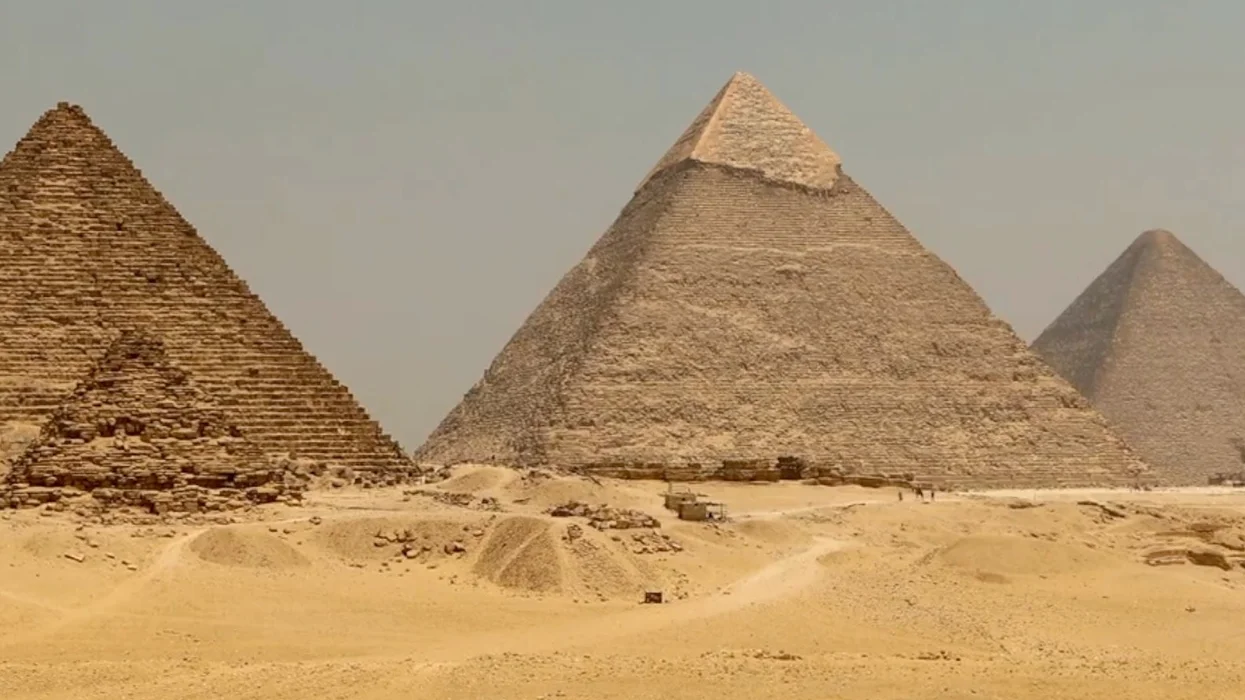


History and prehistory. Before the dawn of writing, the human past is shrouded in darkness. The episodes of the Ancient World explore events before and just after the rise of civilization.

RECOMMENDED READS - Click Image for Link:

(Music)
Hello and welcome to the Western Traditions Podcast. This is the second episode of the
podcast. Today's episode will introduce the Ancient World, which is the first series of the
podcast. The 25 episodes of this series will be broken into two units. The first unit is called
Prehistory and the second unit is called Civilizations of the Ancient Near East.
The music that I played at the beginning of this episode is from a piece called Night Vigil by
Kevin McLeod. A night vigil is a prayer service, typically held in a monastic setting, although
devout Christians of any background might participate in such a liturgy. In the Catholic Church,
this prayer service is known as matins, from the latin word matutinum, which means morning. It
marks the beginning of the coming day, even though it is typically held during the dark of night.
You see, in the most ancient interpretations of day and night, each day actually began the night
before. This is why the Jewish sabbath begins on Friday night, even though Saturday is
technically the Sabbath day. Saturday begins, you see, when the sun sets on Friday. This is
also why the Biblical account of creation marks the days the way that it does in Genesis
chapter one, verse 5,
-and there was evening and there was morning, the first day
So the day begins in the darkness of night. Sunrise comes only when the day is already
several hours old.
I chose this music then, first of all, because it probably evokes images of something very
medieval, such as monks rising in the middle of the night to mark the the beginning of the day.
And while the Middle Ages will not be discussed until the fourth series of podcasts, the
medieval period remains the touchstone of Western civilization. It is the period in which the
West finds its identity, even if the roots of that identity stretch back thousands of years before
the rise of Charlemagne.
But I also chose this music because our study of history, just like an ancient day in the Hebrew
calendar, begins in darkness. The past, you see, can be broken into two unequal pieces of
time. There is history, and there is prehistory.
We apply the title of history to any time period after which a given culture begins to produce
written records of its existence. Obviously, determining the exact point in time at which this
occurs is debatable. One might say that history begins with the Bible, for instance, since this
document attests to some of the most ancient activities of humans on the planet. One might
say the same about Greek or Egyptian or Sumerian mythology.
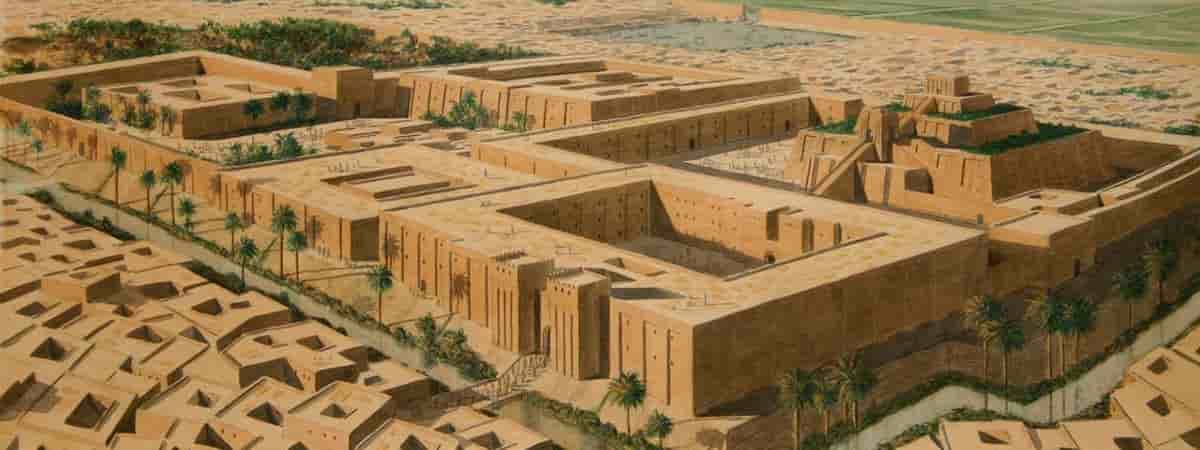
However, by convention, historians tend to mark the start of history sometime around 5,000
years ago, or a little before that, when large cities first appeared in the Mesopotamian river
basin. A couple centuries ago, before the ruins of those cities were discovered, historians
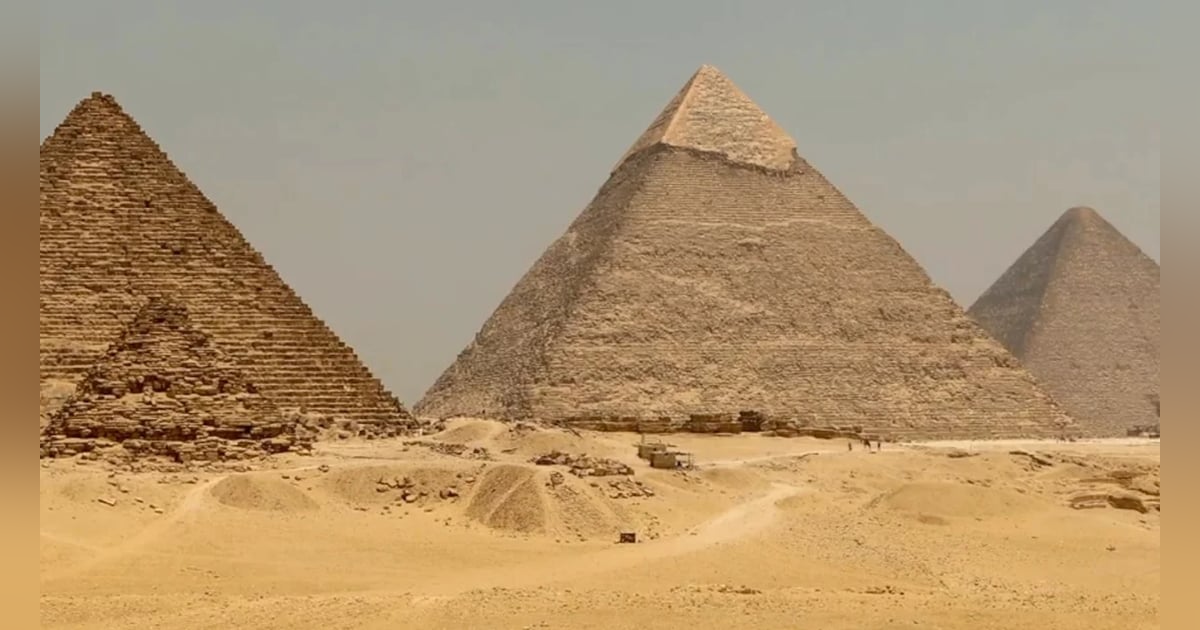
would have possibly placed the starting point of history a thousand years later, maybe around
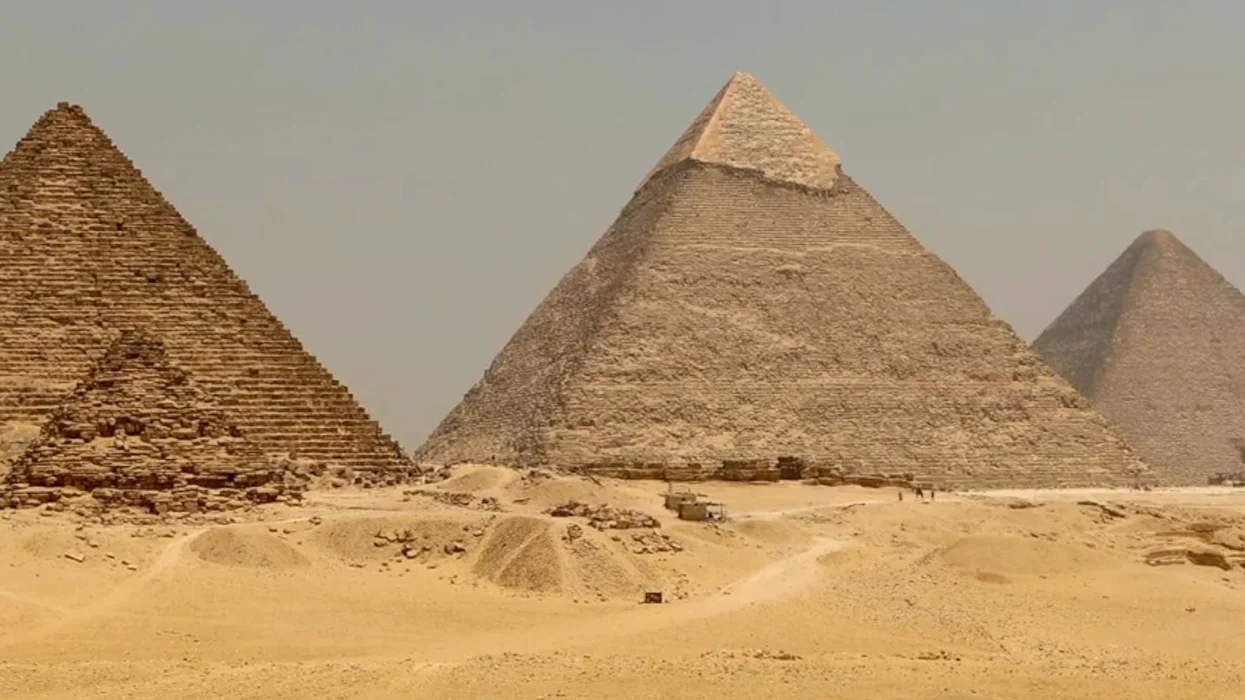
2,500 BC, with the appearance of the pyramids in Egypt. It may be that this historical frontier
will be pushed even farther back by the time that you finish the series of this podcast.
The period of time that comes before the beginning of history, whenever that was, is known as
prehistory. The world and human civilization existed before the rise of cities in Mesopotamia,
but the records that we have of that time period are either fragmented or non-existent.Earlier, I said that our past is broken into two unequal pieces. Officially, true history comprises
only the last five or six thousand years. We set that limit because we do not find solid evidence
of writing before that era. What came before the beginning of history is called prehistory.
Prehistory, though, would consist of more than just the thousands of years during which
humanity roamed the world as clans of hunter-gatherers. Instead, the title of prehistory applies
to the unimaginable amount of time that came before anything even resembling a man ever
walked the Earth. If science is right about the age of the universe, then we are talking about the
many billions of years that the universe existed before the appearance of human beings.
Prehistory, then, is truly a time of darkness.
We know very little about whatever came before Egypt and Sumer. Occasionally, we get
glimpses and hints of human events before those civilizations. A few decades ago, the
discovery at Gobekli Tepe in Turkey surprised everyone. Here were ruins of a society of men
and women who were able to erect large structures and decorate them competently with
realistic art. The structures were ultimately determined to be over ten thousand years old: more
than twice as old as the pyramids.
But that is still prehistory. The ruins at Gobekli Tepe, and other sites discovered since then, do
not show any signs that the people who built them were able to write. So there is no way to
turn such discoveries into official history. Gobekli Tepe just sheds a little light on the darkness
of human antiquity, without dispelling the dark completely.
But no matter how far back we push the bounds of official written history, there will always be a
darkness at the beginning. Whether we believe the accounts of the Bible or some other
religious text, or we believe the latest scientific update about the beginning of the universe,
there will always be darkness before the dawn of time.
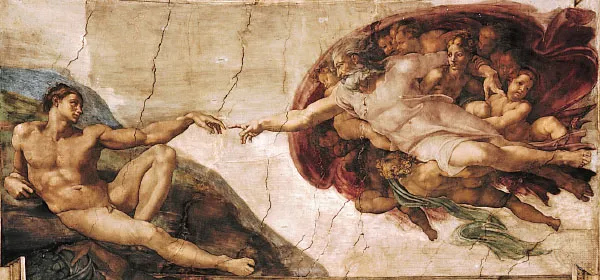
“Let there be light,” God says in the opening verses of the Bible. Before that then, there must
have been darkness.
So the first unit of episodes will address what little we know about human life before the rise of
civilization.
The second unit of episodes in this series, then, will be about the ancient civilizations of the
Near East. This term, the Near East, refers to Egypt and Mesopotamia and to the lands in
between and right around them.
Now, the ancient Near East may seem to be an unusual topic for a podcast about Western
Civilization. When we think of Western History and culture, the Middle Ages might first come to
mind. Or perhaps you might think of the history of the Greeks and the Romans. But, as I intend
to show with the coming episodes, it is impossible to consider the history of the West without
unearthing its roots in the history of the Near East.
The introduction of the Bible into Greek and Roman circles over two thousand years ago has
much to do with this intermingling of Western and Near Eastern histories. If the Greeks and the
Romans and the Celts and the Norse and others in Europe had not become Christians, then
the histories of East and West might have remained defined and separate.
But the Bible, which came with the Christian religion into the West, speaks of times and
cultures that are primarily Near Eastern. In the pages of that book, we encounter settings in
ancient Egypt and in Babylon and in the Persian Empire and other Near Eastern cultures. Andsince the Bible has become such a fundamental text in the West, our history is therefore
intertwined with the history of the Middle East.
As the episodes of the second unit will show, however, it may be that this interlacing of
Western and Eastern history was inevitable. Herodotus was a Greek writer who lived during the
5th century BC. He is sometimes called the father of history because he wrote the first secular
history of the world as he knew it. And Herodotus devoted nearly half of that Greek history to
matters pertaining to Egypt, to the ancient Hittites, and to the Babylonians and the Persians
and others in the Near East.
Maybe, then, the history of the West has always had Eastern roots.
In any event, then, the second unit of episodes in this first series will delve into what we know
about the history of ancient Egypt and other civilizations in that region of the world.
(Music)
The next episode in this podcast will properly introduce the first unit of episodes about the
Prehistorical period.
Until then, I thank you for listening to the Western Traditions Podcast.