Series 3: The Roman Empire Episodes

Episode III.23 - The Third Punic War: African Apocalypse
Carthago delenda est. Marcus Cato dies before he can see his apocalyptic dream come true. Scipio Aemilianus rises to the office of consul and leads the Roman legions in their final assault on the city of Carthage.
Episode III.22 - Marcus Cato and the Decline of the Roman Republic
Marcus Cato makes memorable observations on the decline of Roman traditions. Wealth and power are concentrated in the hands of fewer and fewer men. The author reflects on the changing nature of the Roman upper and lower class...
Episode III.21 - Greek Culture and Roman Society
The victors of the Macedonian wars bring back more than treasure and tribute. Greek culture flows into Roman society. Men like Flamininus and Aemilius Paulus embrace it. Marcus Cato reviles this Greek immigration of values an...
Episode III.20 - The Second Punic War VI: The Invasion of Africa
Scipio and Hannibal finally come face to face in Africa. Carthage is totally defeated. The Roman Senate takes another step to becoming the governing body of the known world.
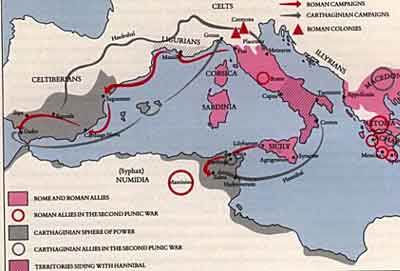
Episode III.19 - The Second Punic War V: The War in Spain
Publius Cornelius Scipio the Younger, someday to be known as Scipio Africanus, engages and defeats the Carthaginians in Spain. He stands for election to the consulship, demanding the right to carry the war into Africa. The ch...
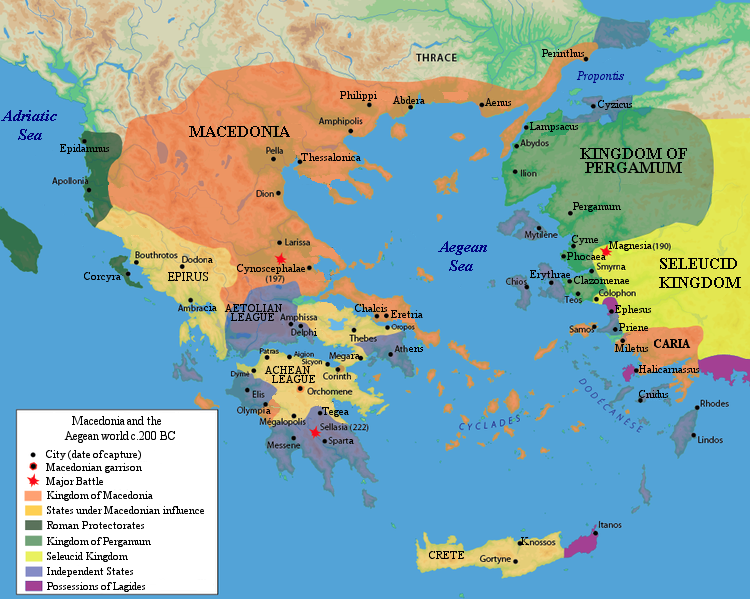
Episode III.18 - The Second Punic War IV: The Deadlock Years
The Second Punic War spreads into Greece, Sicily, Africa and Spain. The Illyrian Wars and the Macedonian Wars break out. Fabius and Marcellus are not alone among the men who come forward to serve Rome in this moment of need. ...
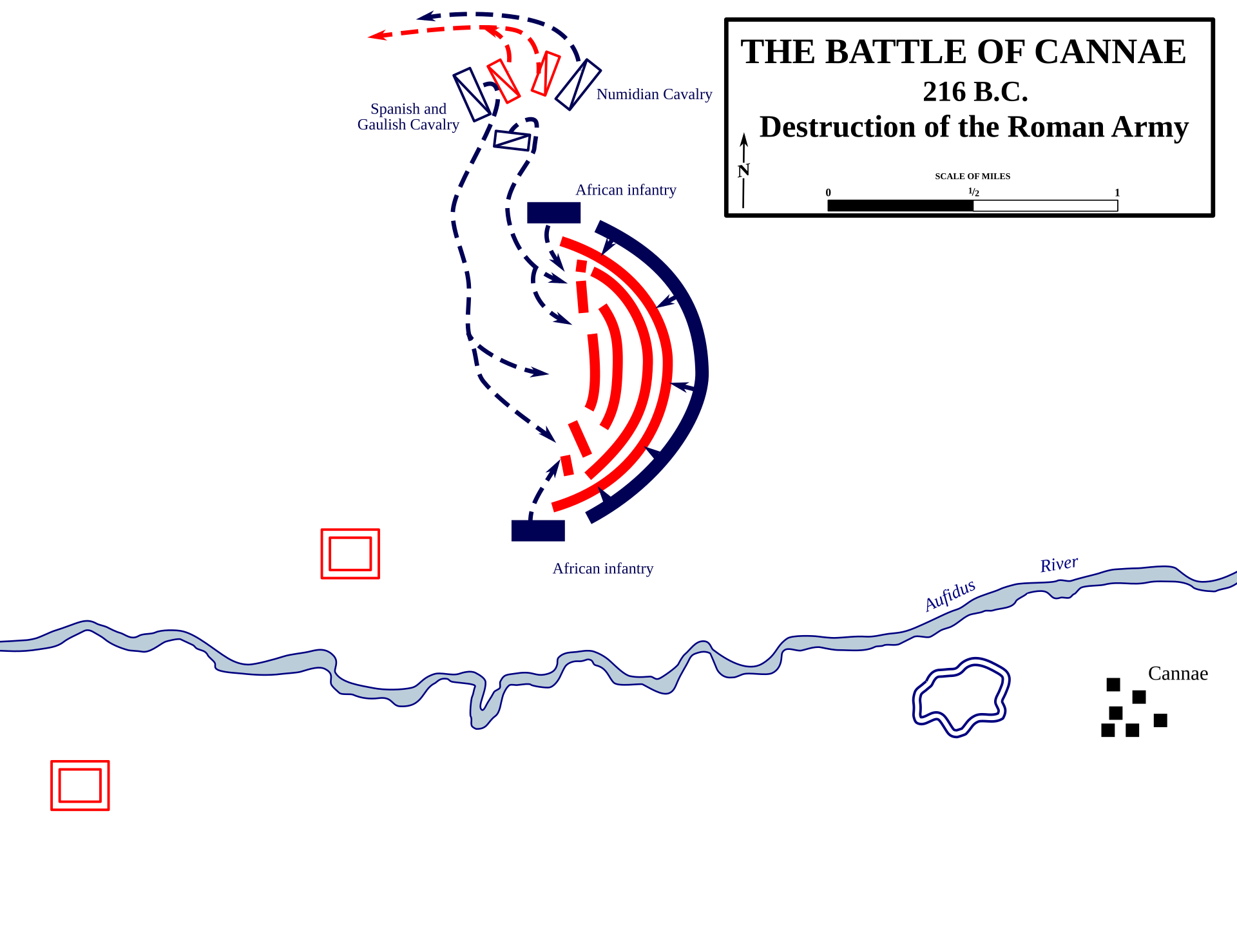
Episode III.17 - The Second Punic War III: To the Defeat at Cannae
Rome commits to the war, raising more troops than ever before and pushing the limits of their constitution. Hannibal is victorious over Rome again and again. Fabius Maximus manages to slow the destruction, until Carthage's gr...
Episode III.16 - The Second Punic War II: The War Begins
Hannibal sacks the Roman-allied city of Saguntum. Rome and Carthage officially declare war. The Gauls rebel in northern Italy. Hannibal marches eastward to glory or defeat.
Episode III.15 - The Second Punic War I: A Violent Interlude
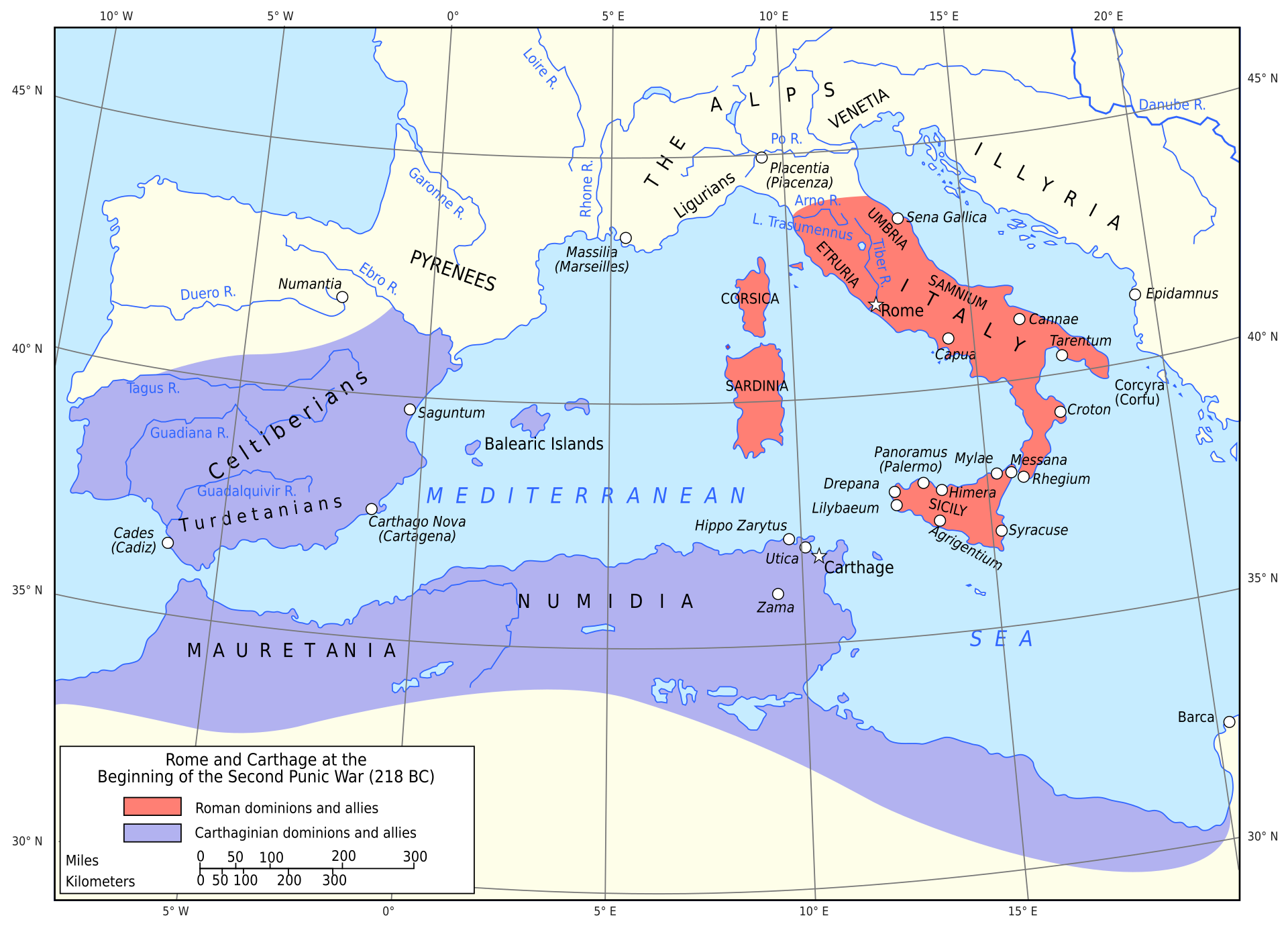
This episode covers the fragile peace after the First Punic War, focusing on Carthage’s internal rebellions, Hamilcar Barca’s campaigns in Spain, and Rome’s expansion in northern Italy. It introduces key figures like Hamilcar...
Episode III.14 - The First Punic War III - To the Peace of Catullus
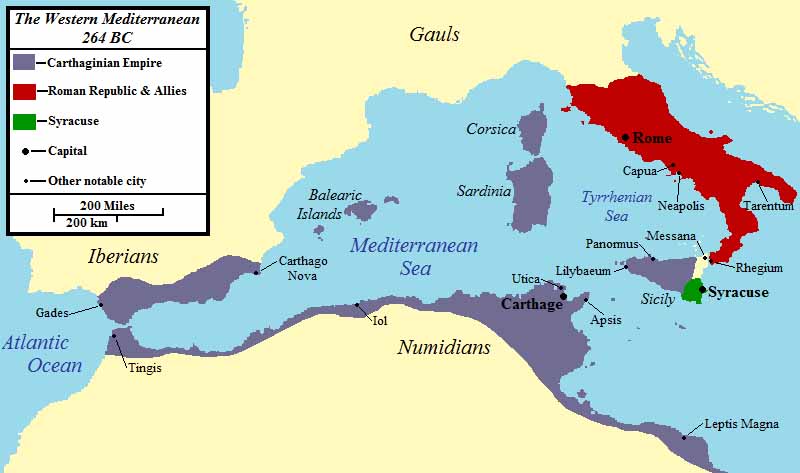
Rome fights on until Carthage must beg for peace. Catullus and Hamilcar Barca. RECOMMENDED READS - Click Image for Link:

Episode III.13 - The First Punic War II: To the Invasion of Africa
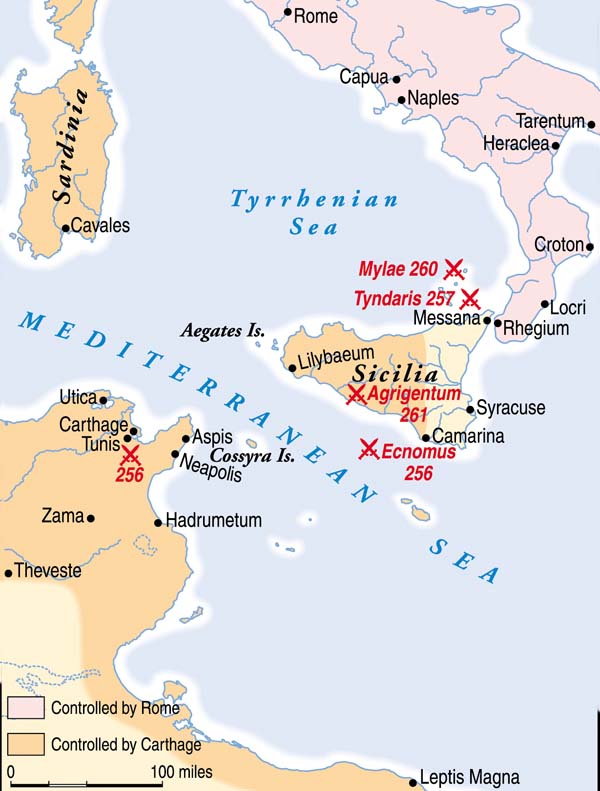
Rome and Carthage come face-to-face for the first time. Carthage sees the war in terms of profit and loss. Rome sees only the matter of honor. The Romans dare to build a fleet to cross the ocean that belongs to their enemy an...
Episode III.12 - The First Punic War I: Prelude to War
Hiero of Syracuse is the unknowing third-wheel in an increasingly vicious relationship between two superpowers. By 264 BC, he is already lost in the background, as Rome and Carthage finally square off to decide, not just who ...
Episode III.11 - Carthage
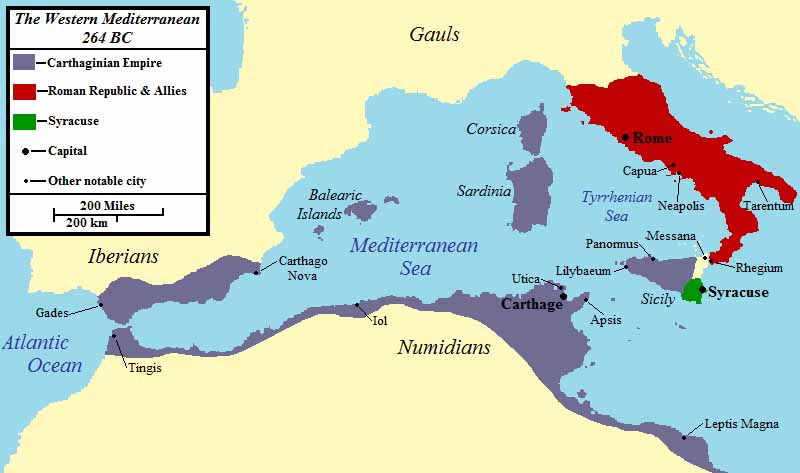
A look at the great counterpart of the Roman Republic: Carthage. How the Phoenicians colonized the Western Mediterranean and what little else we can learn about this ancient culture that the Romans destroyed completely by the...
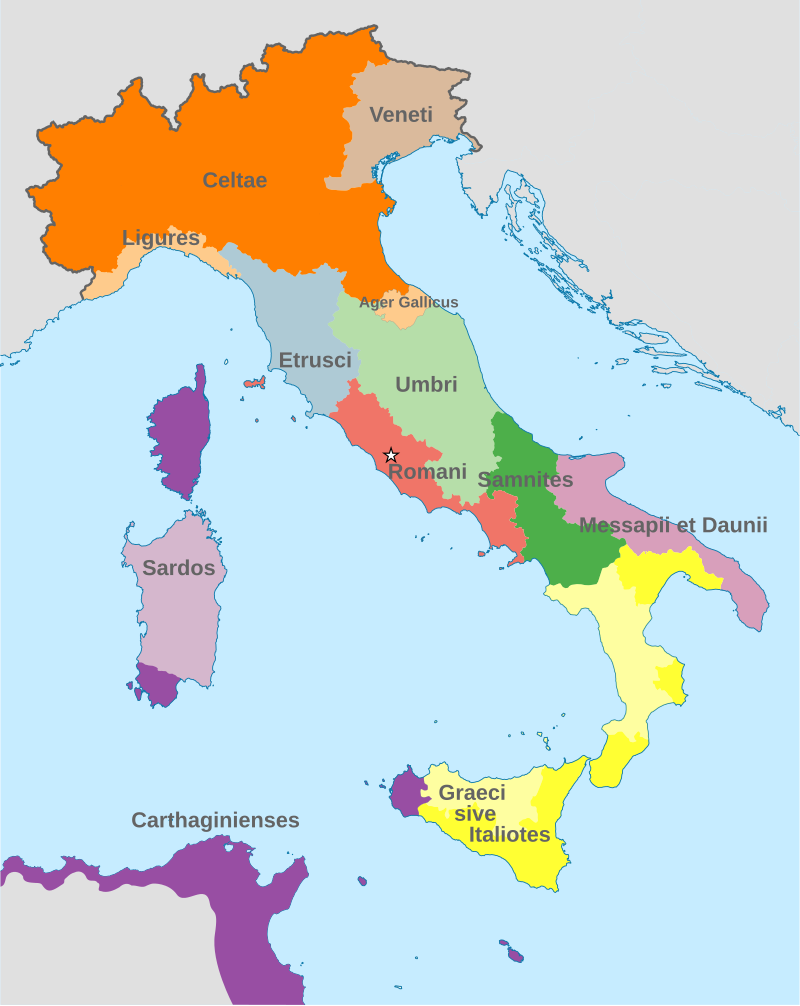
Episode III.10 - The Conquest of Italy
The Romans expand beyond their central Italian limits. In the 4th and 3rd century BC, they conquer their enemies and allies in central and southern Italy. They are led by consuls like Publius Decius Mus, who sacrificed his ow...
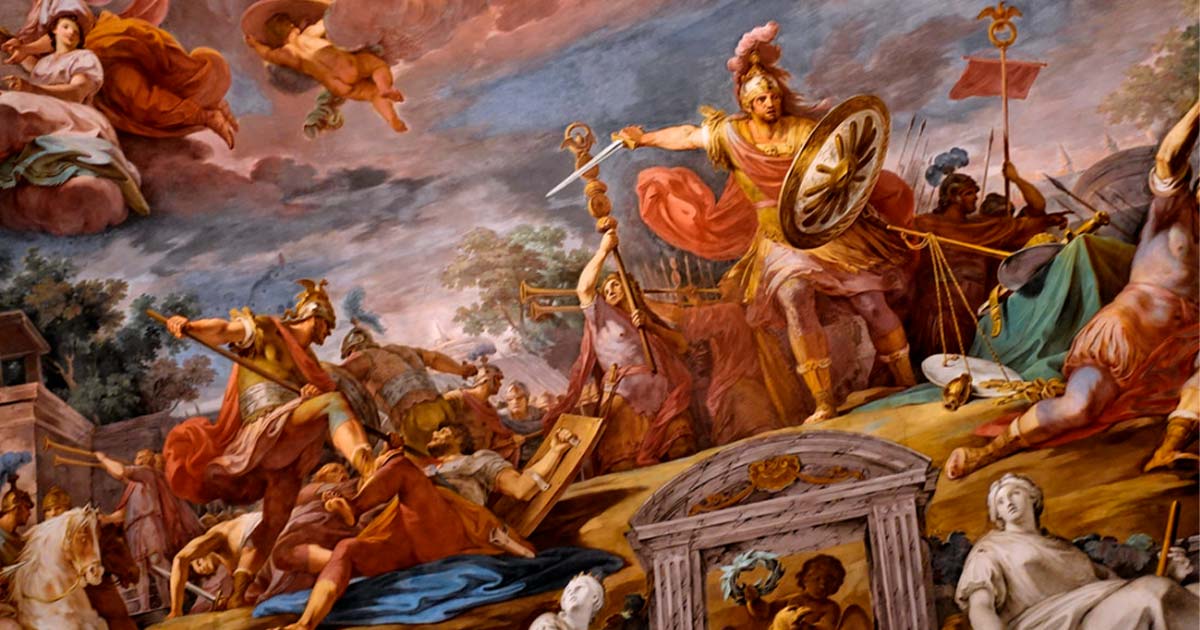
Episode III.09 - The Early Roman Republic
The stories of three heroes of the early Roman Republic: Coriolanus, Cincinnatus and Camillus. The struggle between the social classes is known as the Conflict of Orders. RECOMMENDED READS - Click Image for Link:
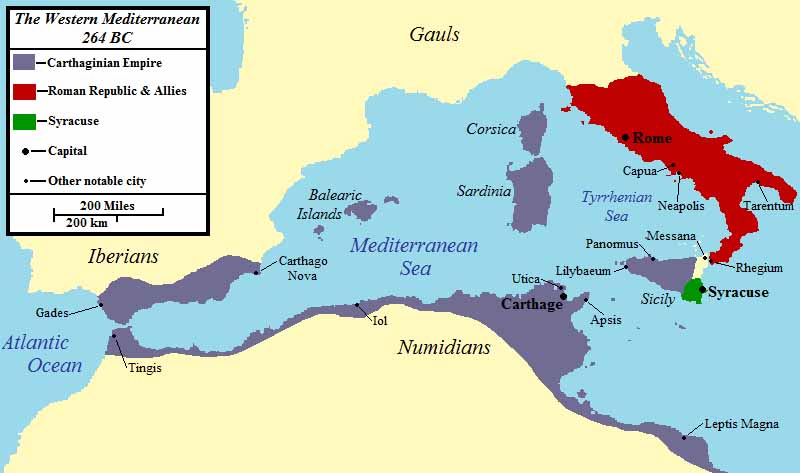
Episode III.11 - Carthage
A look at the great counterpart of the Roman Republic: Carthage. How the Phoenicians colonized the Western Mediterranean and what little else we can learn about this ancient culture that the Romans destroyed completely by the...
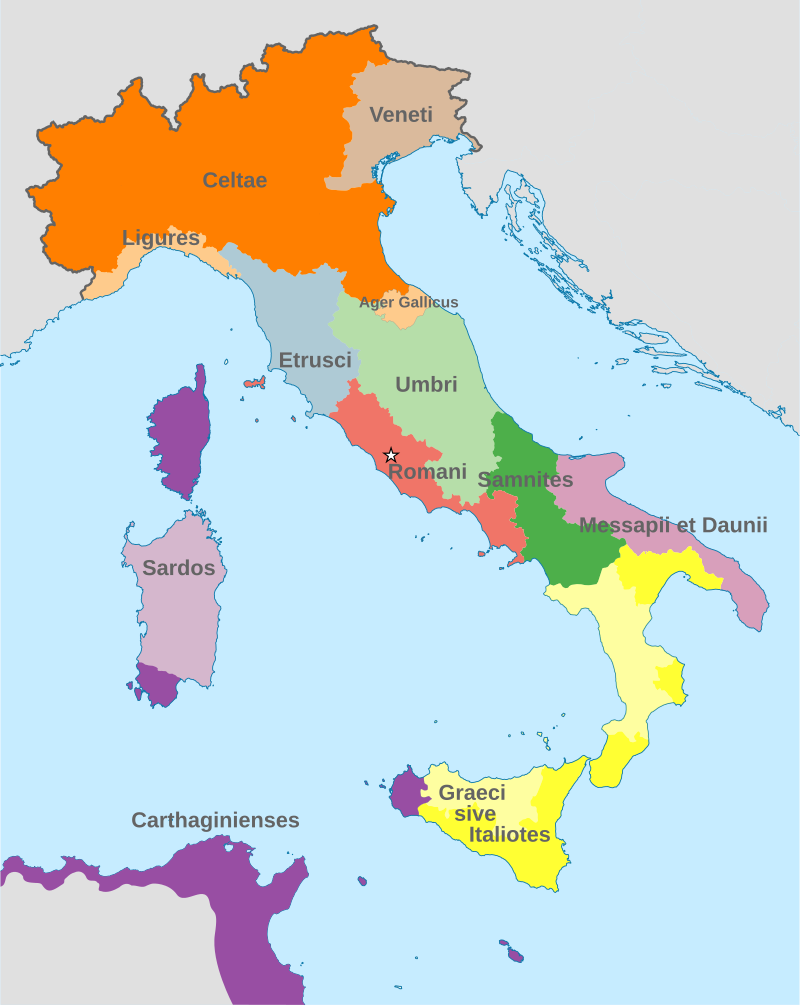
Episode III.10 - The Conquest of Italy
The Romans expand beyond their central Italian limits. In the 4th and 3rd century BC, they conquer their enemies and allies in central and southern Italy. They are led by consuls like Publius Decius Mus, who sacrificed his ow...
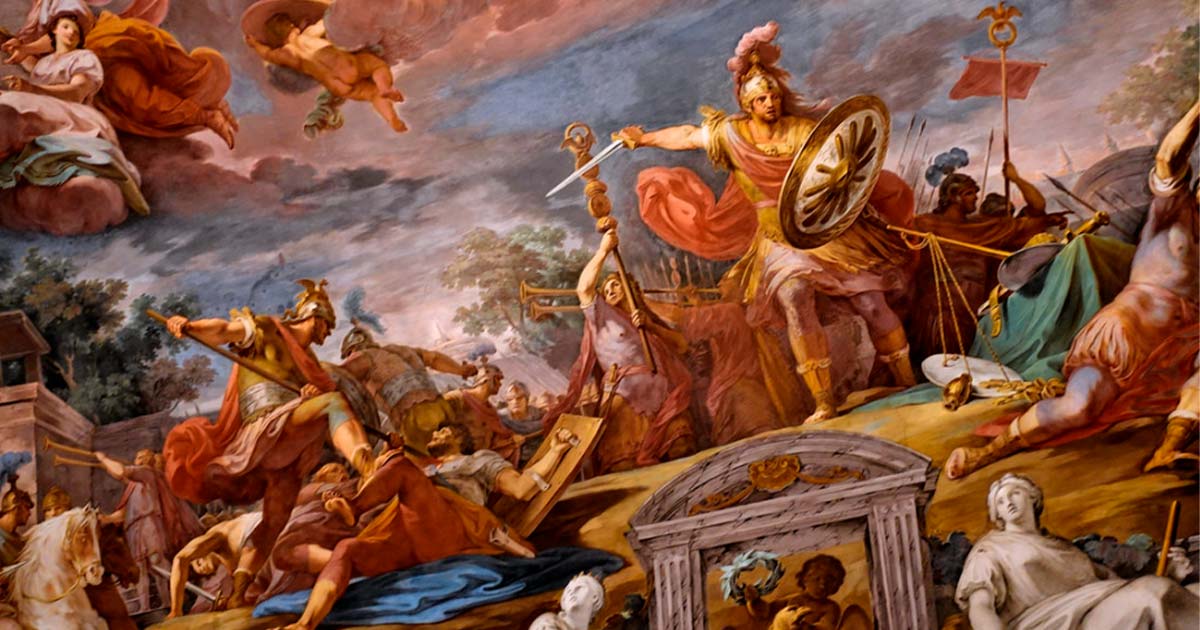
Episode III.09 - The Early Roman Republic
The stories of three heroes of the early Roman Republic: Coriolanus, Cincinnatus and Camillus. The struggle between the social classes is known as the Conflict of Orders. RECOMMENDED READS - Click Image for Link:
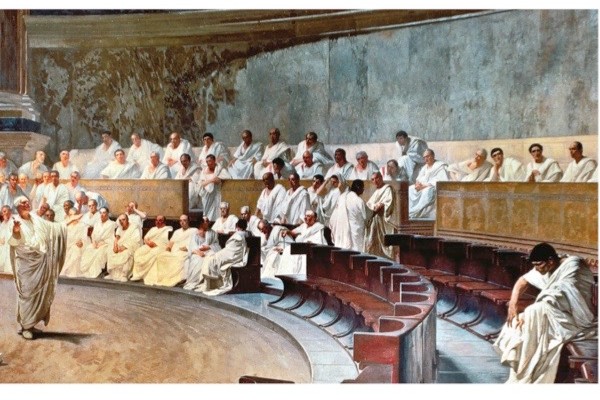
Episode III.08 - Introduction to the Roman Republic
In the eighth episode of the Roman series of the Western Traditions Podcast, we embark on a journey back to 509 BC when the Roman Republic was born from the ashes of monarchy. Discover how the Senate, patricians, and consuls ...
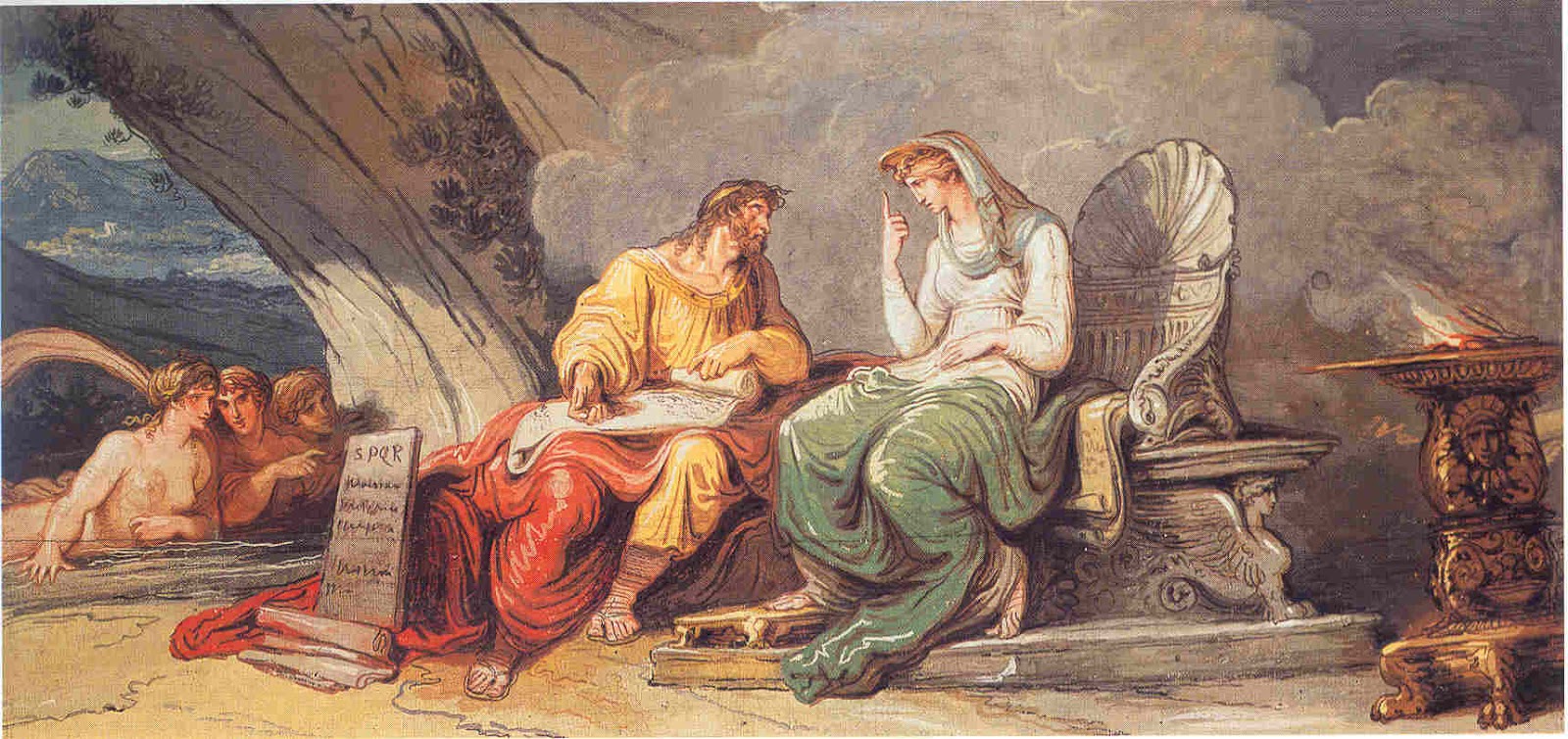
Episode III.07 - The Roman Kingdom
The seven kings of Rome. Numa Pompilius succeeds Romulus. The line of kings ends with Tarquinius Superbus. Some background on Roman institutions, practices and vocabulary. RECOMMENDED READS - Click Image for Link:
Episode III.06 - The Foundation of Rome
The story of Romulus and Remus. With the capture of the Sabine women, Rome expands territorially and biologically. The birth of the glory of Rome. RECOMMENDED READS - Click Image for Link:
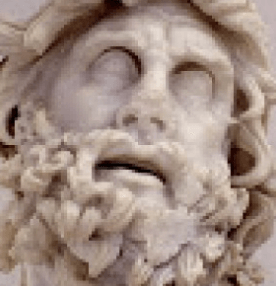
Episode III.05 - Roman Mythology II: Ovid’s Metamorphoses
Our souls are deathless, but nothing retains its own form. Thus speaks Pythagoras in this long and winding tale that combines ancient myth and history. Through a Roman lens, we read of Jupiter, Juno, Neptune, Hercules, Ulysse...
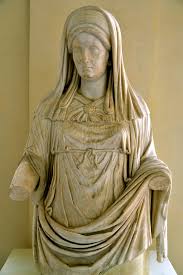
Episode III.04 - Roman Mythology I: Roman Religion
The gods through the eyes of the earliest Romans. The Indo-European religious inheritance. Jupiter, Juno, Mars, Minerva. The precision and discipline of Roman religious practice. The ties to early Christianity. RECOMMENDED RE...
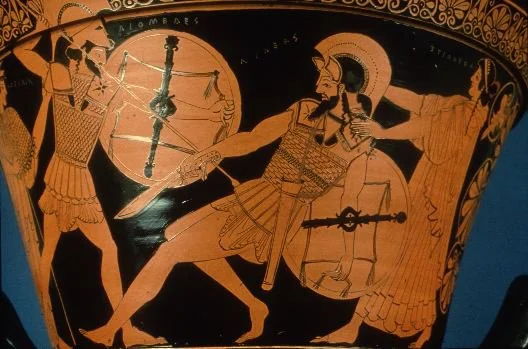
Episode III.03 - The Aeneid
Virgil writes of Aeneas and the Trojan origins of Rome. The tale is both distinctively Roman and notably Greek. Heroes such as Odysseus and Achilles are recalled, as are monsters such as Scylla and Cerberus. The relationship ...